

20 Apr The Ultimate Guide to Cooking Hand-Cut Yam Noodles: Boiling Time, Preparation, and More
Welcome, fellow food explorers, to the intriguing world of yam noodles! Often hailed as a miracle food, particularly in low-carb and health-conscious circles, these unique noodles offer a fascinating texture and culinary versatility. Whether you’ve stumbled upon “shirataki,” “konjac noodles,” or specifically “hand-cut yam noodles,” you’re likely wondering how to transform them from their sometimes-intimidating packaged state into a delicious meal component.
A common question revolves around the cooking process, specifically: How long do you boil hand-cut yam noodles? While the answer might seem straightforward, achieving the perfect texture involves more than just timing. It’s about understanding the noodle itself, proper preparation, and the factors influencing that crucial boiling step.
This guide will delve deep into everything you need to know. We’ll explore what yam noodles are, the importance of preparation (especially for those hand-cut varieties), the optimal boiling time, tips for textural perfection, recipe ideas, health implications, and answer frequently asked questions. Let’s unravel the secrets to mastering these fascinating noodles!
Understanding Yam Noodles: More Than Just a Noodle
Before we dive into the boiling pot, let’s clarify what we mean by “yam noodles.” The term can sometimes be ambiguous, but it most commonly refers to noodles made from the root of the konjac plant (Amorphophallus konjac), also known as elephant yam or devil’s tongue. These are the noodles often sold under names like Shirataki (Japanese for “white waterfall,” referring to their translucent appearance) or konjac noodles. They have been a staple in Japanese and Chinese cuisine for centuries.
Key Characteristics:
- Ingredients: Primarily composed of glucomannan fiber (extracted from the konjac root), water, and a coagulating agent like calcium hydroxide (food-grade slaked lime water), which helps them hold their shape. Some varieties might include small amounts of other ingredients like oat fiber or tofu for textural variation.
- Nutritional Profile: Their claim to fame lies in being extremely low in calories and carbohydrates, virtually fat-free, and very high in soluble fiber (glucomannan). This makes them popular for keto, low-carb, gluten-free, and vegan diets.
- Taste: On their own, konjac noodles are nearly flavorless. This is a significant advantage, as they readily absorb the flavors of sauces, broths, and seasonings they are cooked with.
- Texture: This is where konjac noodles are most distinct. They have a unique, somewhat gelatinous, springy, or even slightly rubbery texture when straight out of the package. Proper preparation is key to optimizing this texture to be more palatable and pasta-like (often described as al dente when prepared correctly).
- Appearance: Typically translucent white, resembling glass noodles or rice vermicelli, though often thicker, especially when marketed as “hand-cut” style, fettuccine, or spaghetti.
What about “Hand-Cut”?
When we talk about “hand-cut” yam noodles, it usually refers to thicker strands of konjac/shirataki noodles, mimicking the appearance of traditional hand-pulled or hand-cut wheat noodles. This doesn’t necessarily mean they were literally cut by hand in large-scale production, but rather denotes a specific, often wider and flatter, shape compared to the very thin “angel hair” shirataki. Occasionally, the term might also be used for homemade noodles made from konjac flour or even traditional flour-based noodles, but in the context of “yam noodles,” thicker konjac noodles are the most common interpretation. For this guide, we will primarily focus on these thicker konjac noodle varieties.
It’s also worth noting that sometimes “yam noodles” might incorrectly refer to noodles made from sweet potato starch (like Korean japchae noodles). While delicious, these are botanically and texturally different from konjac noodles and have different cooking requirements. We will focus on konjac-based noodles here.
The Crucial First Step: Preparing Hand-Cut Yam Noodles for Boiling
You cannot simply toss konjac noodles into boiling water straight from the package and expect great results. Preparation is paramount to remove the characteristic “fishy” or “sea-like” aroma and to improve the noodle’s texture.
The Smell: Konjac noodles are typically packaged in liquid (water with calcium hydroxide) which can develop a distinct odor. This smell is not indicative of spoilage but is a byproduct of the manufacturing process and the nature of the konjac root itself. Thankfully, it’s easily removed.
The Texture: As mentioned, the initial texture can be rubbery or overly gelatinous. Proper preparation helps to firm them up slightly and make them more receptive to sauces.
Step-by-Step Preparation:
- Drain Thoroughly: Open the package over a sink and pour the noodles into a colander or fine-mesh sieve. Discard the packaging liquid. Let the noodles drain for a minute or two.
- Rinse Extensively: This is the most critical step for odor removal. Rinse the drained noodles under cold running water for a minimum of 2-3 minutes. Use your hands to gently toss the noodles under the water stream, ensuring all strands are thoroughly rinsed. Some sources recommend rinsing until the characteristic odor is gone. Don’t worry; rinsing won’t damage the noodles.
- Optional Vinegar/Salt Rinse: Some users find an extra rinse with a bit of acid or salt helps further neutralize any lingering odor. After the initial water rinse, you could toss the noodles in the colander with about half a teaspoon of vinegar (white or rice vinegar works well) and a pinch of salt, mix gently, let sit for a minute, and then rinse thoroughly again with cold water to remove the vinegar/salt taste.
- Proceed to Boiling (Parboiling): The next step, often recommended, is a quick boil. This helps further cleanse the noodles and begins the process of improving their texture.
How Long to Boil Hand-Cut Yam Noodles: Finding the Sweet Spot
Now we arrive at the core question. After thorough rinsing, how long should these hand-cut yam (konjac) noodles spend in boiling water?
The good news is that konjac noodles don’t require lengthy cooking like traditional pasta. They are essentially already “cooked” during their formation process. The boiling step here is more accurately described as parboiling – a brief immersion in boiling water primarily for texture improvement and final cleansing.
General Guideline:
- Boil hand-cut konjac/shirataki noodles for 2 to 5 minutes.
Why the Range? Factors Influencing Boiling Time:
- Thickness: Thicker, “hand-cut” style noodles might benefit from the slightly longer end of the range (3-5 minutes) compared to very thin angel hair varieties (which might only need 2-3 minutes).
- Desired Texture: Boiling helps to slightly soften the initial firm/rubbery texture. A shorter boil (2 minutes) might leave them firmer, while a longer boil (up to 5 minutes) might make them slightly softer, though over-boiling can sometimes make them more rubbery or break down, depending on the brand and specific formulation. They won’t typically get “mushy” like overcooked wheat pasta unless boiled excessively or in specific conditions.
- Subsequent Cooking Method: If you plan to incorporate the noodles into a soup or sauce where they will continue to cook, a shorter initial boil (2-3 minutes) is advisable. If you plan to use them in a cold salad or quickly toss them with a finished sauce, boiling closer to 3-5 minutes might be preferred.
- Brand Variations: Different brands might have slightly different formulations (e.g., added oat fiber) which could subtly affect optimal boiling time. Always check the package instructions, though the 2-5 minute range is a reliable starting point.
- Altitude: Water boils at a lower temperature at higher altitudes. While this typically affects longer-cooking foods more significantly, you might need to add an extra minute if you live at a very high altitude.
The Process:
- Bring a medium or large pot of fresh water to a rolling boil. Salting the water is generally not necessary for konjac noodles as they don’t absorb salt well during this short boil, and their primary purpose here isn’t flavor infusion yet.
- Carefully add the thoroughly rinsed noodles to the boiling water.
- Stir gently to separate the strands.
- Boil for your chosen time within the 2-5 minute window. Start checking the texture around the 2-minute mark by fishing out a strand (carefully!) and tasting it or feeling its texture. Aim for a pleasant, slightly firm but not rubbery bite.
- Once boiled to your liking, immediately drain the noodles thoroughly in a colander.
- Optional: Rinse briefly under cold water to stop the cooking process, especially if you aren’t using them immediately or are adding them to a cold dish.
What Happens if You Over-Boil?
Unlike wheat pasta that turns to mush, over-boiling konjac noodles (say, for 10+ minutes) can sometimes make them excessively rubbery or, in some cases, cause them to start breaking down or become slightly mushy, losing their desirable al dente quality. Stick to the short boiling time for best results.
The Secret Weapon for Texture: Dry Pan-Frying
While rinsing and boiling are essential, many seasoned konjac noodle users swear by one additional step for achieving the best possible texture: dry pan-frying (or roasting). This step helps remove excess surface moisture absorbed during rinsing and boiling, resulting in a firmer, less watery, and more pasta-like noodle that holds sauce better.
How to Dry Pan-Fry:
- After boiling and draining the noodles thoroughly, heat a large, dry non-stick skillet or wok over medium-high heat. Do not add oil or fat.
- Add the drained noodles to the hot, dry pan.
- Stir-fry or toss the noodles continuously for about 5-10 minutes. You’re not trying to brown them, but rather to evaporate excess moisture.
- You’ll notice steam coming off the noodles. Keep tossing until the noodles appear drier and no longer release much steam. Some describe hearing a faint “squeaking” sound as the noodles move in the dry pan – this is often a sign they are ready.
- Be careful not to overdo it or use excessively high heat, which could make the noodles brittle or burn them. The goal is just to dry them out significantly.
This step might seem counterintuitive after boiling, but it dramatically improves the final texture, reducing any potential slipperiness or rubberiness and making them much more satisfying to eat. Many consider this non-negotiable for optimal results.
Related: Foolproof Mexican Rice in Your Aroma Rice Cooker: Taste Mexico in Every Bite!
Putting It All Together: Serving Suggestions and Recipes
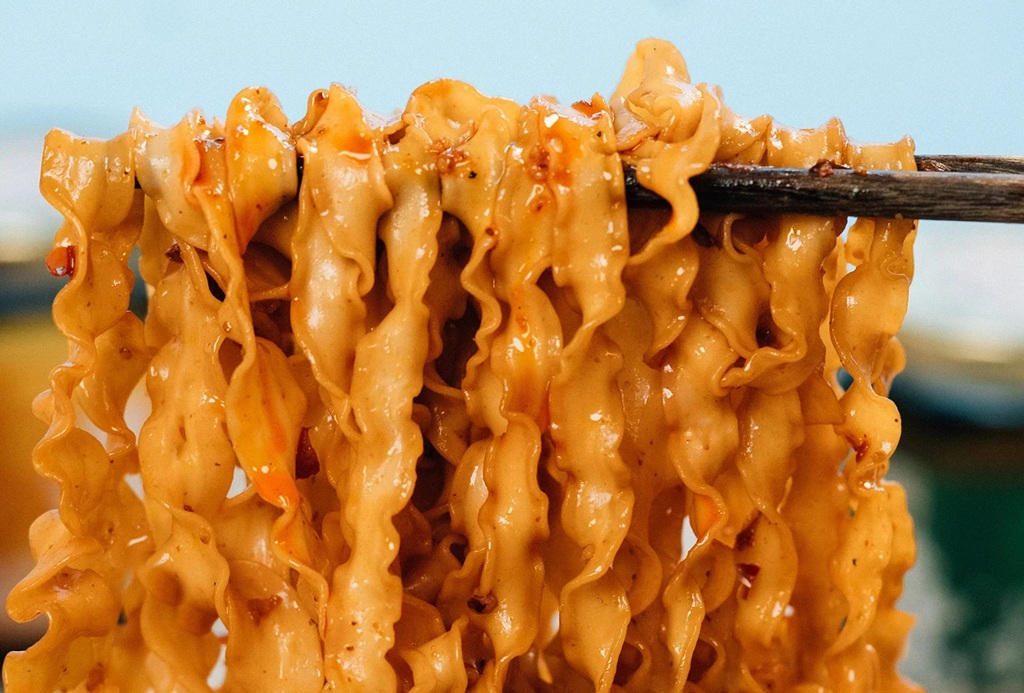
Once your hand-cut yam noodles are rinsed, boiled, and ideally dry-fried, they are a blank canvas ready to absorb flavor! Their neutral taste makes them incredibly versatile.
Ideas for Using Hand-Cut Yam Noodles:
- Stir-Fries: Their robust texture holds up well. Add them towards the end of your stir-fry cooking process, tossing them with vegetables, protein (chicken, tofu, shrimp), and your favorite stir-fry sauce (soy-based, peanut, teriyaki, gochujang). The dry-frying step is particularly beneficial here to prevent a watery stir-fry. Try: A simple stir-fry with garlic, ginger, bok choy, sliced mushrooms, and a soy-sesame sauce.
- Soups: While some sources caution against long simmering in soups (which can make them overly soft or rubbery), they are excellent when added near the end of cooking to Japanese hot pots (like Sukiyaki or Oden), ramen-style broths, or even Asian-inspired chicken noodle soups. Try: Adding them to a rich miso broth with tofu and scallions for the last 5 minutes of simmering.
- “Pasta” Dishes: Use them as a direct, low-carb substitute for traditional pasta. They pair wonderfully with robust sauces that coat them well. Try: Tossing with a hearty bolognese, a creamy Alfredo (a garlic parmesan sauce works well), pesto, or a spicy Arrabbiata sauce.
- Noodle Salads: Serve them cold or at room temperature. Toss boiled and cooled noodles with crisp vegetables (cucumber, bell peppers, carrots), herbs (cilantro, mint), a protein, and a flavorful dressing. Try: A Thai-inspired salad with peanut dressing, shredded chicken, cilantro, and lime juice.
- Simple Sides: Toss cooked noodles with garlic butter, chili oil, or just a drizzle of toasted sesame oil and some toasted sesame seeds for a quick and easy side dish.
Remember to season generously! Because the noodles themselves are flavorless, your sauce or broth needs to be well-seasoned to make the final dish delicious.
Health Benefits and Considerations of Konjac Noodles
The popularity of konjac noodles isn’t just about their low-calorie count; it’s also tied to the potential health benefits of their primary component, glucomannan fiber.
Potential Benefits:
- Weight Management: The high fiber content promotes a feeling of fullness (satiety), potentially reducing overall calorie intake. Studies suggest glucomannan may aid in modest weight loss when part of a balanced diet.
- Blood Sugar Control: Glucomannan forms a viscous gel in the digestive tract, which can slow down sugar absorption, potentially helping to stabilize blood sugar levels after meals. This makes it of interest for managing diabetes, though medical consultation is essential.
- Cholesterol Reduction: Research indicates that glucomannan can help lower total cholesterol, LDL (“bad”) cholesterol, and triglycerides, possibly by reducing cholesterol absorption in the gut. The FDA has recognized glucomannan as a dietary fiber based on evidence of its cholesterol-lowering effects.
- Digestive Health & Constipation Relief: As a soluble fiber, glucomannan absorbs water, adding bulk to stool and potentially relieving constipation. It also acts as a prebiotic, feeding beneficial gut bacteria, which contributes to overall gut health.
- Skin Health: Some preliminary links suggest glucomannan might contribute to improved skin health.
Potential Downsides and Considerations:
- Digestive Discomfort: For some individuals, especially when first introducing konjac noodles or consuming large quantities, the high fiber content can cause bloating, gas, diarrhea, or abdominal discomfort. Start with smaller portions and increase water intake.
- Choking Hazard: Glucomannan expands significantly in water. While noodles are generally safe, certain other konjac products like dense fruit jellies have been associated with choking risks, particularly in children and the elderly, leading to bans in some regions. Ensure noodles are chewed properly.
- Bowel Obstruction Risk: In rare cases, particularly with concentrated glucomannan supplements taken without sufficient water, blockages in the esophagus or bowel have been reported. Always drink plenty of fluids when consuming high-fiber foods like konjac noodles.
- Nutrient Absorption: Extremely high fiber intake could potentially interfere with the absorption of certain medications or nutrients if consumed at the exact same time. It’s generally best to take medications separately.
- Blood Sugar Monitoring: Individuals with diabetes or hypoglycemia should monitor their blood sugar levels closely when incorporating konjac noodles, as they may lower blood sugar, potentially requiring medication adjustments (consult a doctor).
- Limited Nutritional Value (Beyond Fiber): While high in fiber, konjac noodles offer very few vitamins, minerals, protein, or fat. They should be part of a balanced diet that includes nutrient-dense foods, not a sole replacement for all carbohydrates.
Overall, when consumed as part of a varied diet and prepared correctly, konjac noodles can be a healthy and beneficial food for many people. Listen to your body and introduce them gradually if you’re new to them.
Related: How to Make Tanghulu Recipe: A Sweet Chinese Street Snack
People Also Ask (FAQs) About Yam (Konjac) Noodles
Q1: Are yam noodles (konjac/shirataki) the same as glass noodles?
No. While they can look similar (translucent), glass noodles (cellophane noodles) are typically made from mung bean starch, potato starch, or sweet potato starch. They have a different texture (often softer when cooked) and a higher carbohydrate content than konjac noodles.
Q2: Do yam (konjac) noodles need to be cooked/boiled?
While technically edible straight from the package after rinsing (as they are pre-formed), boiling for 2-5 minutes is highly recommended. It significantly improves texture (less rubbery) and ensures they are thoroughly cleansed of the packaging liquid’s odor. The subsequent dry pan-frying step further enhances texture.
Q3: Why do yam (konjac) noodles smell fishy or unpleasant? How do I get rid of it?
The smell comes from the alkaline solution (calcium hydroxide) used in processing and the natural compounds in the konjac root. It doesn’t mean they are spoiled. Get rid of it by draining thoroughly and rinsing under cold running water for at least 2-3 minutes. A quick boil (2-5 minutes) after rinsing also helps.
Q4: Are yam (konjac) noodles healthy?
Yes, they can be a healthy addition to many diets. They are very low in calories and carbs, high in beneficial glucomannan fiber, gluten-free, and vegan. They can aid in weight management, blood sugar control, cholesterol reduction, and digestive health. However, they offer little other nutritional value and should be part of a balanced diet. Some people may experience digestive upset.
Q5: Where can I buy yam (konjac/shirataki) noodles?
They are increasingly available in major supermarkets, often in the refrigerated section near produce or tofu, or in the international foods aisle (Asian section). Health food stores and Asian grocery markets almost always carry them. You can also easily find them online. Look for brands like Miracle Noodle, Skinny Pasta, It’s Skinny, Nasoya Pasta Zero, or various Asian brands.
Q6: Can I make hand-cut yam (konjac) noodles at home?
Yes, it is possible, though perhaps more complex than making traditional pasta. It involves using konjac flour (glucomannan powder), water, and an alkaline agent like food-grade pickling lime (calcium hydroxide) or sometimes baking soda. The mixture is heated until it gels, cooled, and then cut into shapes. Recipes are available online, requiring careful measurement and handling of the ingredients.
Q7: How long should I boil sweet potato noodles?
Sweet potato noodles (like those used in Korean Japchae) are different. They are typically made from sweet potato starch and require boiling, often for about 5-8 minutes, depending on thickness, until tender but still chewy. Check package directions. One source mentioned 4-6 minutes for spiralized fresh sweet potato “noodles”.
Q8: What’s the best way to improve the texture of yam (konjac) noodles?
The combination of thorough rinsing (2-3 mins), quick boiling (2-5 mins), and dry pan-frying (5-10 mins without oil) is widely considered the best method to remove odor and achieve a more appealing, less rubbery, pasta-like texture.
Conclusion: Embrace the Versatility of Hand-Cut Yam Noodles
Hand-cut yam noodles, primarily referring to thicker-cut konjac or shirataki noodles, offer a unique and exciting alternative to traditional pasta and noodles. While their initial smell and texture might seem daunting, mastering their preparation opens up a world of low-calorie, low-carb culinary possibilities.
Remember the key steps: Rinse well, boil briefly (2-5 minutes for hand-cut styles), and seriously consider the game-changing dry pan-fry step. Once prepped, these neutral-tasting noodles eagerly soak up the flavors of your favorite sauces, broths, and seasonings, making them incredibly versatile for stir-fries, soups, salads, and creative pasta substitutes.
Beyond their culinary adaptability, they bring potential health benefits thanks to their high glucomannan fiber content. While mindful consumption is wise, especially regarding potential digestive effects, they can be a valuable tool for weight management, blood sugar control, and improving cholesterol levels.
So, don’t be intimidated! Grab a package, follow the preparation steps, time your boil correctly (remembering it’s short!), and experiment. You might just discover your new favorite way to enjoy noodles, guilt-free and full of potential. Happy cooking!
Sorry, the comment form is closed at this time.