
31 Aug What Is The Secret To A Perfect Chewy Sago Smoothie?
The secret to a perfect chewy sago smoothie is properly cooked pearls, balanced sweetness, and a cold creamy base. Cook sago until translucent, then chill it before combining everything. Sago pearls typically need about 10 to 20 minutes of cooking, depending on size. Meanwhile, keeping the finished smoothie below 40°F helps preserve its refreshing texture and flavor.
The Chewy Texture Starts With Better Sago
Sago creates the signature chew, but careless cooking quickly turns those pearls mushy. Therefore, texture deserves more attention than any decorative topping.
Choose small or medium sago pearls when you want a balanced bite throughout every sip. Large pearls create stronger chewiness, while smaller pearls blend more naturally with creamy drinks.

How To Cook Sago Without Losing Its Bite
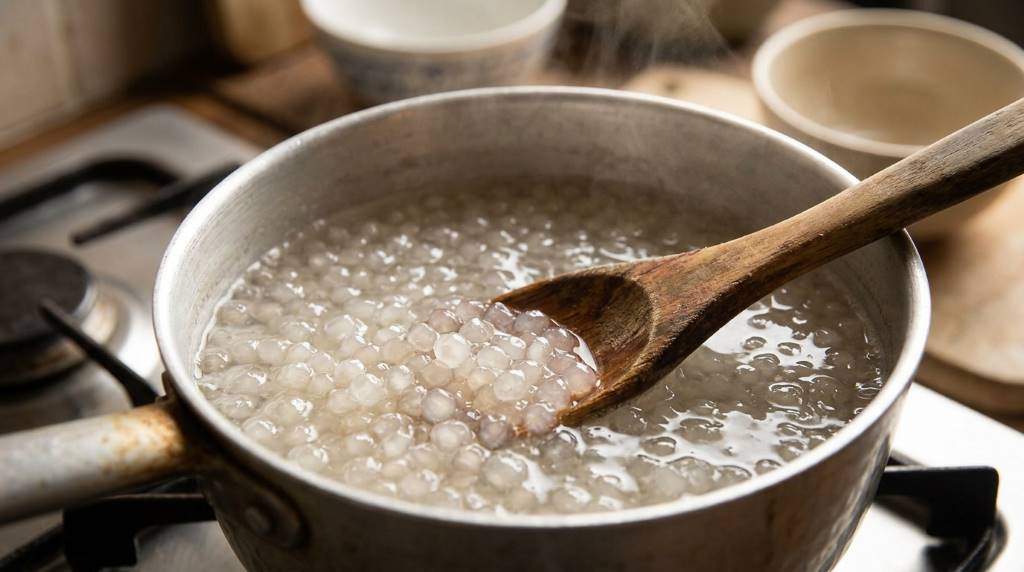
Start by bringing plenty of water to a rolling boil before adding the sago. Then, stir immediately to prevent the pearls from sticking together.
Cook the pearls gently until most centers become translucent with only tiny opaque spots remaining. However, avoid cooking until every pearl becomes completely transparent in the pot.
Turn off the heat once the texture looks nearly finished, then cover the pot briefly. Residual heat will finish the centers without destroying their pleasant resistance.
Drain the pearls thoroughly and rinse them under cool running water. This removes excess surface starch and stops carryover cooking.
Finally, soak the cooked pearls in a small amount of syrup. That step prevents sticking while adding flavor directly to the chewy component.
Build A Creamy Base That Lets Sago Shine
A great smoothie needs contrast between creamy liquid and resilient pearls. For additional kitchen troubleshooting ideas, this guide about automatic bread maker shape failure highlights another useful principle: ingredients respond differently to conditions.
For the smoothie base, combine milk with yogurt, coconut milk, or a plant-based alternative. Each choice changes the drink’s richness, aroma, and perceived sweetness.
Milk gives a clean, familiar flavor and keeps the smoothie relatively light. Coconut milk adds richness and pairs especially well with tropical fruits.
Greek yogurt creates extra body and mild tang without requiring excessive sweetener. For dairy-free versions, unsweetened oat or coconut milk works particularly well.
Use Fruit For Flavor And Natural Sweetness
Mango, strawberry, banana, peach, and pineapple all complement chewy sago beautifully. Choose ripe fruit because natural sweetness reduces the need for added sugar.
Frozen fruit provides coldness and body without relying entirely on ice. Fresh fruit offers brighter aromas but may require additional chilling.
Banana delivers exceptional creaminess, although its strong flavor can dominate delicate fruit. Mango offers a richer tropical profile while keeping the smoothie naturally vibrant.
When using tart fruits, balance acidity with a modest amount of honey or simple syrup. Add sweetness gradually because cold drinks often taste less sweet than warm mixtures.
Control Temperature, Sweetness, And Dilution
Temperature strongly affects how a chewy sago smoothie tastes and feels. Consequently, chilling each component before blending gives you better control.
Refrigerate cooked sago before assembling the drink, ideally after rinsing and draining it completely. Cold pearls maintain a firmer bite and prevent unnecessary warming.
Use frozen fruit instead of excessive ice whenever possible. Ice melts quickly and can dilute the smoothie before you finish drinking it.
For nutrition-conscious choices, nutrition experts often recommend reducing reliance on heavily processed meals, as discussed in this nutrition experts warning. The same principle applies here: simple ingredients make flavor easier to control.
A Reliable Smoothie Ratio
Start with one cup of milk or another liquid, then add one cup of fruit. Add half a cup of yogurt for extra creaminess and body.
Blend the liquid, fruit, and yogurt until completely smooth before adding the sago. Never blend the pearls with the fruit because blending destroys their defining chew.
After blending, taste the mixture and adjust sweetness, acidity, or thickness. Then spoon the chilled sago into the finished smoothie and stir gently.
- For thicker smoothies: use frozen fruit and less liquid.
- For lighter smoothies: increase the liquid gradually by two tablespoons.
- For sweeter smoothies: add syrup one teaspoon at a time.
- For tangier smoothies: add a small squeeze of fresh citrus.
- For stronger chew: increase chilled sago without blending it.
Layering Makes The Drink More Enjoyable
A perfect sago smoothie should deliver changing textures rather than one uniform consistency. Therefore, serving technique can improve the experience without changing the recipe.
Place a generous spoonful of chilled sago at the bottom of a wide glass. Pour the blended smoothie slowly over the pearls to create distinct layers.
For a more dramatic presentation, add another small layer of sago halfway through. Finish with fruit pieces, coconut flakes, or a light drizzle of honey.
If you enjoy creative drink combinations, a Mexican candy shot recipe also demonstrates how contrasting flavors can create memorable drinks.
Choose Toppings That Support The Main Flavor
Toppings should enhance the smoothie rather than compete with its fruit and chewy pearls. Keep them simple when the base already contains several strong flavors.
- Mango cubes: add freshness and reinforce tropical notes.
- Toasted coconut: provide aroma and subtle crunch.
- Fresh strawberries: brighten creamy bases with gentle acidity.
- Chia seeds: add another texture without overwhelming the sago.
- Mint leaves: provide a clean finish for rich fruit combinations.
Common Sago Smoothie Mistakes To Avoid
Most disappointing smoothies fail because of texture, dilution, or poorly balanced sweetness. Fortunately, each problem has a straightforward correction.
Mushy Sago
Overcooking creates soft pearls that lose their satisfying resistance. Cook them until nearly translucent, then finish them briefly with residual heat.
Hard Centers
Undercooked pearls usually contain obvious white centers after cooling. Return them to gentle heat briefly instead of serving them immediately.
Sticky Clumps
Excess surface starch causes pearls to form large sticky masses. Rinse them thoroughly after cooking and coat them lightly with syrup.
Watery Smoothie
Too much ice or liquid weakens both flavor and mouthfeel. Replace some ice with frozen fruit and add liquid gradually.
Overly Sweet Flavor
Fruit, yogurt, syrups, and toppings can collectively push sweetness too high. Taste the blended base before adding sweetened sago.
Warm Sago
Warm pearls can raise the smoothie temperature and soften its overall character. Chill the pearls separately before assembling the final drink.
Three Flavor Combinations Worth Trying
Once you master the basic method, flavor variations become easy to develop. Start with combinations that balance sweetness, acidity, creaminess, and chew.
Mango Coconut Sago Smoothie
Blend ripe mango with coconut milk and a small amount of Greek yogurt. Add chilled sago afterward and finish with toasted coconut.
This combination delivers tropical sweetness with creamy richness and a firm chewy contrast. A squeeze of lime can sharpen the flavor when mango tastes especially sweet.
Strawberry Banana Sago Smoothie
Blend frozen strawberries, banana, milk, and yogurt until silky. Fold in chilled sago and add fresh strawberry pieces for extra texture.
Banana supplies body while strawberries provide acidity and aromatic freshness. This option works particularly well when you want a familiar dessert-like flavor.
Pineapple Peach Sago Smoothie
Combine frozen pineapple, ripe peach, coconut milk, and a small amount of yogurt. Add sago after blending, then adjust sweetness only if necessary.
Pineapple contributes sharp acidity, while peach softens the profile with floral sweetness. The result tastes bright without becoming excessively heavy.
How To Make Your Sago Smoothie More Consistent
Consistency improves when you treat each component as a separate preparation. Cook, chill, blend, taste, and assemble instead of doing everything simultaneously.
Measure your ingredients during the first few attempts and record successful combinations. This creates a personal ratio that you can reproduce without relying on guesswork.
Keep cooked sago refrigerated in a sealed container and use it promptly. Freshly prepared pearls generally provide better chew than pearls stored for extended periods.
Also, avoid preparing the smoothie too far ahead because fruit and dairy can change texture. For the best result, blend the base shortly before serving.
The Best Method At A Glance
If you want a dependable chewy sago smoothie, focus on sequence rather than complicated ingredients. The following process keeps texture, temperature, and flavor under control.
- Cook sago in plenty of boiling water until nearly translucent.
- Turn off the heat and let residual heat finish the pearls.
- Drain and rinse the pearls thoroughly under cool water.
- Coat the pearls lightly with syrup to prevent sticking.
- Chill the sago before preparing the smoothie.
- Blend fruit, liquid, and yogurt until completely smooth.
- Taste the base before adjusting sweetness or acidity.
- Spoon chilled sago into the glass without blending it.
- Pour the smoothie over the pearls and stir gently.
- Add restrained toppings that complement the primary fruit.
Frequently Asked Questions
What Makes Sago Smoothies Chewy?
Properly cooked and chilled sago pearls create the distinctive chewy texture in a sago smoothie.
Should You Blend Sago Pearls?
No, blending sago breaks the pearls apart and removes the satisfying chew that defines the drink.
How Do You Stop Sago From Sticking?
Rinse cooked sago thoroughly, drain it well, and coat the pearls lightly with syrup.
What Fruit Works Best With Sago?
Mango, strawberry, banana, peach, and pineapple pair especially well with creamy sago smoothies.
Can You Prepare Sago Ahead Of Time?
Yes, you can chill cooked sago briefly, although freshly prepared pearls usually offer better texture.
Final Takeaway
The real secret to a perfect chewy sago smoothie is respecting the pearl’s texture. Cook it gently, cool it completely, and add it only after blending.
Then balance ripe fruit, creamy liquid, controlled sweetness, and enough acidity for a clean finish. Try the method with mango first, then experiment with your favorite fruit combinations.
Make your next smoothie with this sequence and pay attention to every texture. Once you find your ideal ratio, save it and make that signature chewy smoothie your own.
Sorry, the comment form is closed at this time.