
29 Jan Does Wine Help Anxiety? Alcohol and Your Mental Health
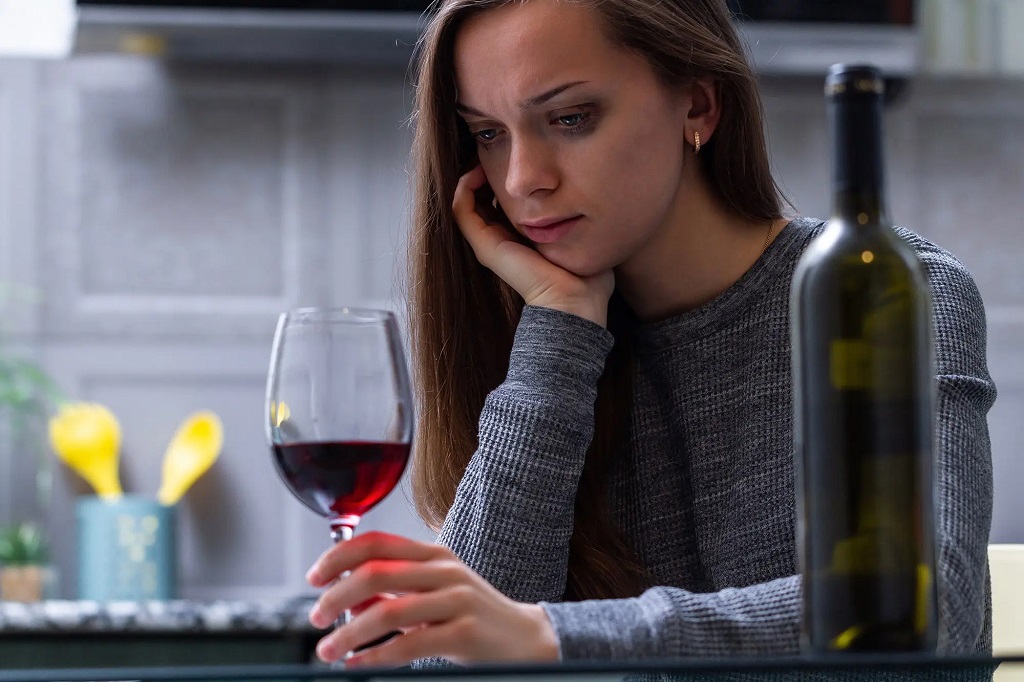
Anxiety, that unwelcome guest that overstays its welcome, affects millions worldwide. We’re constantly searching for ways to soothe its grip, from meditation and exercise to medication and therapy. But what about that glass of Cabernet Sauvignon at the end of a long day? Does wine help anxiety, or is it just a temporary escape with potential long-term consequences? The relationship between alcohol and anxiety is complex and often misleading. While a glass of wine might seem to melt away stress at the moment, the reality is far more nuanced. Let’s delve into the science, explore the pros and cons, and answer some frequently asked questions to help you make informed decisions about your well-being.
The Illusion of Calm: How Alcohol Affects the Brain
Alcohol is a central nervous system depressant. In simpler terms, it slows down brain activity. Initially, this can create a sense of relaxation and reduce inhibitions, which might feel like anxiety relief. However, this effect is fleeting and can be deceptive.
The Chemical Rollercoaster: Alcohol disrupts the delicate balance of neurotransmitters in the brain, including GABA, serotonin, and dopamine. GABA, a neurotransmitter that promotes relaxation, is initially boosted by alcohol, leading to that initial calming sensation. But as the alcohol is metabolized, GABA levels plummet, potentially leading to a rebound effect where anxiety returns with a vengeance.
The Sleep Disruptor: While alcohol might make you feel drowsy initially, it disrupts sleep patterns later in the night. It interferes with REM sleep, the stage crucial for emotional processing and memory consolidation. Poor sleep can exacerbate anxiety, creating a vicious cycle.
The Dehydration Factor: Alcohol is a diuretic, meaning it increases urine production. Dehydration can lead to fatigue, headaches, and difficulty concentrating, all of which can worsen anxiety symptoms.

The Anxiety Paradox: Short-Term Relief, Long-Term Risks
While a moderate amount of alcohol might provide temporary relief from anxiety for some, it’s crucial to understand the potential long-term risks:
- Worsening Existing Anxiety: Regular alcohol consumption can disrupt the brain’s chemistry, making you more susceptible to anxiety over time. It can also interfere with the effectiveness of anxiety medications.
- Developing Alcohol Dependence: Using alcohol as a coping mechanism for anxiety can lead to dependence and addiction. This creates a new set of problems, including withdrawal symptoms that can be intensely anxiety-provoking.
- Aggravating Mental Health Conditions: Alcohol can worsen existing mental health conditions like depression and bipolar disorder, which often co-occur with anxiety.
- Masking Underlying Issues: Relying on alcohol to cope with anxiety can prevent you from addressing the root causes of your distress. It’s essential to seek professional help to develop healthy coping mechanisms.
Wine Reviews: Navigating the World of Wine with Anxiety in Mind
Choosing the right wine can be overwhelming, especially when anxiety is a factor. Here are a few things to consider:
- Lower Alcohol Content: Opt for wines with lower alcohol by volume (ABV). Look for wines around 12-13% ABV instead of those exceeding 14.5%.
- Dry over Sweet: Sweet wines can cause blood sugar fluctuations, which can trigger anxiety in some individuals. Dry wines, with their lower sugar content, are generally a better choice.
- Tannin Levels: Tannins, found in red wines, can contribute to headaches in some people. If you’re sensitive to tannins, consider lighter-bodied reds like Pinot Noir or explore white wines.
Here are a few wine recommendations to consider:
- Pinot Grigio: This crisp, refreshing white wine is typically low in tannins and alcohol, making it a good option for those sensitive to both.
- Sauvignon Blanc: Another excellent white wine choice, Sauvignon Blanc offers zesty acidity and herbaceous notes, often with lower alcohol content.
- Pinot Noir: This light-bodied red wine is known for its delicate fruit flavors and smooth tannins, making it a gentler option for red wine drinkers.
- Lambrusco: This sparkling red wine from Italy regularly has lower alcohol content than other sparkling wines and offers a refreshing, fruity profile.
Important Note: These are just suggestions. Individual preferences and sensitivities vary. It’s always best to experiment and find what works best for you. Remember, moderation is key.
Pros and Cons of Wine for Anxiety
Let’s summarize the potential benefits and drawbacks of using wine to manage anxiety:
Pros:
- Temporary Relaxation: Alcohol can initially reduce inhibitions and create a sense of calm.
- Social Lubricant: Wine can enhance social situations, making it easier to connect with others, which can be beneficial for some with social anxiety.
- Ritual and Enjoyment: The ritual of enjoying a glass of wine can be relaxing and pleasurable in itself.
Cons:
- Short-lived Effects: The anxiety-reducing effects of alcohol are temporary and can be followed by a rebound effect.
- Worsening Anxiety: Regular alcohol use can disrupt brain chemistry and exacerbate anxiety over time.
- Sleep Disruption: Alcohol interferes with sleep patterns, which can worsen anxiety.
- Dependence and Addiction: Using alcohol to cope with anxiety can lead to dependence and addiction.
- Health Risks: Excessive alcohol consumption is associated with numerous health problems, including liver damage, heart disease, and increased cancer risk.
FAQ: Addressing Your Concerns About Wine and Anxiety
1. Is it okay to drink wine if I have anxiety?
Moderate alcohol consumption might not be harmful for everyone with anxiety, but it’s crucial to be mindful of the risks. If you have concerns, talk to your doctor or a mental health professional.
2. How much wine is too much?
Moderate drinking is generally defined as up to one drink per day for women and up to two drinks per day for men. However, what’s considered “moderate” can vary depending on individual factors.
3. Can wine interact with anxiety medications?
Yes, alcohol can interact with certain anxiety medications, potentially increasing side effects or reducing the medication’s effectiveness. Always consult your doctor or pharmacist about potential interactions.
4. Are there any alternatives to wine for anxiety relief?
Absolutely! There are many healthy ways to manage anxiety, including exercise, mindfulness practices, spending time in nature, and engaging in hobbies you enjoy. If you’re struggling with anxiety, consider seeking professional help.
5. Can I drink wine while taking antidepressants?
It’s typically not recommended to mix alcohol with antidepressants. Alcohol can worsen the side effects of antidepressants and may reduce their effectiveness. Consult your doctor for specific advice.
6. Does red wine or white wine have a greater impact on anxiety?
Both red and white wine contain alcohol, which is the primary factor influencing anxiety. However, individual sensitivities to tannins or sulfites in wine can vary.
7. Can wine help with social anxiety?
While alcohol might initially lower inhibitions and make social interaction feel easier, it’s not a sustainable solution for social anxiety. Building healthy coping mechanisms and social skills is essential for long-term management.
8. Is it better to avoid alcohol altogether if I have anxiety?
If you’re struggling to manage your anxiety, it’s best to discuss your alcohol consumption with a healthcare professional. They can help you assess the risks and benefits and make informed decisions about your health.
Beyond the Bottle: Finding Healthy Ways to Cope with Anxiety
While that glass of wine might offer temporary solace, it’s not a long-term solution for anxiety. True and lasting relief comes from addressing the root causes of your anxiety and developing healthy coping mechanisms.
Here are some strategies to consider:
- Therapy: Cognitive behavioral therapy (CBT) is a highly effective treatment for anxiety. It helps you identify and change negative thought patterns and develop coping skills.
- Mindfulness and Meditation: These practices can help you stay present and reduce rumination, a common feature of anxiety.
- Exercise: Regular physical activity has been shown to reduce anxiety symptoms.
- Sleep Hygiene: Prioritize good sleep habits, such as maintaining a regular sleep schedule and creating a relaxing bedtime routine.
- Healthy Diet: Nourishing your body with whole foods can support mental well-being.
- Social Connection: Connect with loved ones, engage in activities you enjoy, and build a supportive network.
If you’re struggling with anxiety, remember that you’re not alone. Reach out for help. There are many resources available to support you on your journey to well-being.
Disclaimer: This article is intended for informational purposes only and does not constitute medical advice. Always consult with a qualified healthcare professional for personalized guidance and treatment.
Sorry, the comment form is closed at this time.