

01 Mar The Ultimate Guide to Perfect Duck Egg Boiling Times and Beyond
Duck eggs, those beautiful, oversized orbs of creamy richness, are gaining immense popularity among culinary enthusiasts and health-conscious individuals alike. But while their flavor and nutritional profile are undeniable, mastering the art of boiling them can be a bit of a puzzle. Unlike their chicken counterparts, duck eggs boast thicker shells and a higher yolk-to-white ratio, demanding a slightly different approach to achieve that perfect consistency. This comprehensive guide will demystify the process, providing you with detailed boiling times, expert tips, and answers to frequently asked questions, ensuring your duck egg experience is nothing short of exceptional.
Understanding the Duck Egg Difference: Why Boiling Times Matter
Before diving into the specifics, it’s crucial to understand why duck eggs require a tailored boiling approach. Their thicker shells, primarily due to a denser calcium carbonate structure, act as a formidable barrier, slowing down heat transfer. This means longer boiling times are generally necessary to achieve the desired level of doneness. Furthermore, the higher yolk-to-white ratio, a hallmark of duck eggs, results in a richer, creamier texture. However, it also means the yolk requires more time to solidify compared to a chicken egg’s yolk. Consequently, undercooking can lead to a runny, albeit delicious, yolk, while overcooking can result in a chalky, less palatable texture. Finding the sweet spot is key to unlocking the full potential of these culinary gems.
The Essential Boiling Times: From Soft to Hard-Boiled Perfection
The desired level of doneness dictates the appropriate boiling time.
Here’s a detailed breakdown to guide you:
- Soft-Boiled Duck Eggs (3-4 minutes): For those who crave a runny yolk and slightly set whites, a 3-4 minute boil is ideal. This results in a delicate, custardy yolk that oozes out when cracked, perfect for dipping toast or adding a luxurious touch to salads. To achieve this, gently lower the eggs into boiling water and set a timer. After the allotted time, immediately transfer them to an ice bath to halt the cooking process.
- Medium-Boiled Duck Eggs (5-6 minutes): If you prefer a semi-firm yolk with a slightly gooey center, aim for a 5-6 minute boil. This provides a balance between a runny and solid yolk, offering a versatile texture suitable for various dishes. Follow the same procedure as soft-boiling, ensuring a rapid transition to an ice bath.
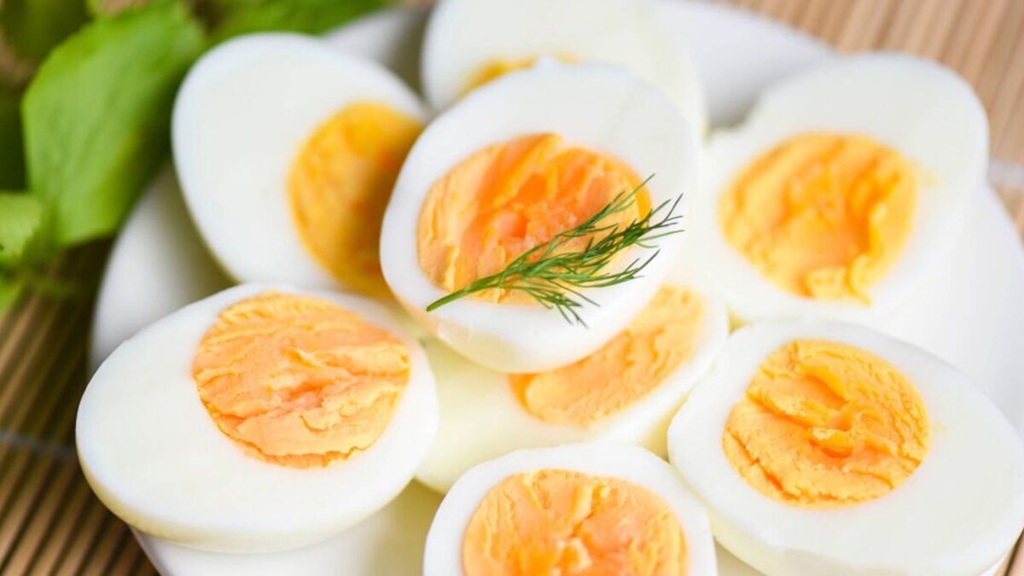
- Hard-Boiled Duck Eggs (8-10 minutes): For a fully cooked yolk and firm whites, an 8-10 minute boil is necessary. This produces a classic hard-boiled egg perfect for deviled eggs, egg salads, or simply enjoying on its own. After boiling, immediately plunge the eggs into an ice bath to prevent overcooking and facilitate easy peeling.
- Extra Hard-Boiled Duck Eggs (12+ minutes): If you desire a completely solid yolk, and perhaps are making a dish that needs a very firm egg, then 12+ minutes is the time to boil. However, be aware that longer cooking times can lead to a rubbery texture and a greenish tinge around the yolk due to a chemical reaction between iron and sulfur.
The Art of Gentle Boiling: Preventing Cracks and Ensuring Even Cooking
Beyond timing, the boiling technique plays a crucial role in achieving perfect duck eggs.
Here are some essential tips:
- Start with Room Temperature Eggs: Cold eggs placed directly into boiling water are more prone to cracking due to the sudden temperature change. Allow your eggs to reach room temperature before boiling.
- Use a Deep Pot: Ensure the eggs are fully submerged in water, with at least an inch of water above them. This allows for even heat distribution and prevents uneven cooking.
- Gentle Immersion: Carefully lower the eggs into the boiling water using a slotted spoon to prevent cracking.
- Maintain a Gentle Simmer: Avoid a vigorous boil, as it can cause the eggs to bump against each other and crack. A gentle simmer ensures even cooking and minimizes the risk of damage.
- The Ice Bath Essential: Immediately transferring the boiled eggs to an ice bath is crucial for halting the cooking process and preventing overcooking. It also facilitates easy peeling by causing the egg white to shrink slightly.
- A Pinch of Salt or Vinegar: Adding a pinch of salt or a splash of vinegar to the boiling water can help prevent the egg whites from leaking out if the shell cracks during cooking.
Peeling Perfection: Techniques for Hassle-Free Shell Removal
Peeling hard-boiled duck eggs can sometimes be a challenge, but these techniques can make the process easier:
- The Gentle Tap and Roll: After the ice bath, gently tap the egg on a hard surface to crack the shell. Then, roll the egg between your palms to further loosen the shell.
- The Under-the-Water Peel: For stubborn shells, peel the egg under running cold water. The water helps to separate the membrane from the egg white, making peeling easier.
- The Spoon Technique: For particularly difficult peels, carefully slide a spoon between the shell and the egg white to gently separate them.
Related: The Ultimate Guide to Beef Boiling Time
Nutritional Powerhouse: The Benefits of Duck Eggs
Duck eggs are not just delicious; they’re also a nutritional powerhouse, offering a wealth of health benefits:
- Rich in Protein: Duck eggs are an excellent source of high-quality protein, essential for building and repairing tissues.
- Abundant in Vitamins and Minerals: They contain a wide range of vitamins and minerals, including vitamin A, vitamin B12, iron, and selenium.
- High in Omega-3 Fatty Acids: Duck eggs are a good source of omega-3 fatty acids, which are beneficial for heart health and brain function.
- Higher Cholesterol Content: While duck eggs contain more cholesterol than chicken eggs, dietary cholesterol has less of an impact on blood cholesterol levels than previously thought.
- Rich in Antioxidants: They contain antioxidants that help protect cells from damage caused by free radicals.
Related: Mastering Caridean Shrimp Boiling Time
Frequently Asked Questions (FAQs)
- Are duck eggs healthier than chicken eggs? While both are nutritious, duck eggs generally have a higher concentration of vitamins, minerals, and omega-3 fatty acids.
- Can I use the same boiling times for chicken eggs and duck eggs? No, duck eggs require longer boiling times due to their thicker shells and higher yolk-to-white ratio.
- How do I store boiled duck eggs? Store boiled duck eggs in the refrigerator for up to a week.
- Can I freeze boiled duck eggs? Freezing boiled duck eggs is not recommended, as it can alter their texture and make them rubbery.
- Why do my boiled duck eggs have a green ring around the yolk? This is a harmless chemical reaction between iron and sulfur, which occurs when eggs are overcooked.
- How can I tell if a duck egg is fresh? Fresh duck eggs have a smooth, unblemished shell and a dense yolk.
- Can I use duck eggs for baking? Yes, duck eggs can be used in baking, often resulting in richer, more flavorful baked goods.
- Are duck eggs good for people with egg allergies? Some people with chicken egg allergies may tolerate duck eggs, but it’s essential to consult with a doctor before trying them.
- Do duck eggs taste different than chicken eggs? Duck eggs generally have a richer, creamier flavor than chicken eggs.
- Where can I buy duck eggs? Duck eggs can be found at farmers’ markets, specialty grocery stores, and some online retailers.
By mastering the art of boiling duck eggs and understanding their unique characteristics. You can unlock a world of culinary possibilities. Whether you prefer them soft, medium, or hard-boiled, these nutritious and delicious eggs are sure to elevate your culinary creations. Enjoy!
Sorry, the comment form is closed at this time.