

10 Mar Decoding the Delicacy: Mastering Birch Bolete Boiling Time for Culinary Excellence
The birch bolete, scientifically known as Leccinum scabrum, is a forager’s delight. Found nestled beneath birch trees across temperate regions, this mushroom offers a unique earthy flavor profile and a satisfyingly meaty texture. However, unlocking its culinary potential requires a nuanced understanding of its preparation, particularly the often-debated boiling time. This article delves deep into the intricacies of birch bolete boiling, providing a comprehensive guide for both novice and seasoned mushroom enthusiasts.
Understanding the Birch Bolete: A Foraging Treasure
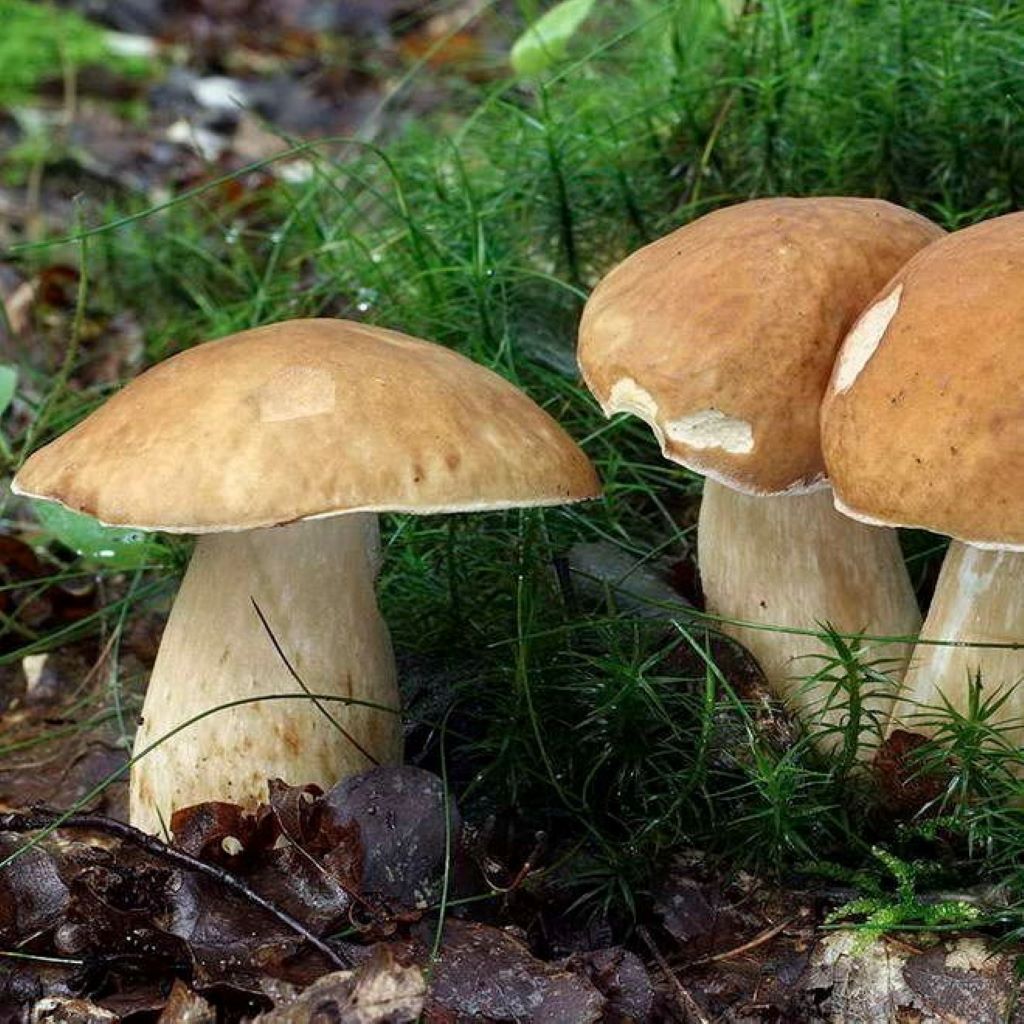
Before diving into cooking techniques, it’s crucial to appreciate the birch bolete’s characteristics. This mushroom is easily identified by its brown to tan cap, often displaying a slightly velvety texture. Its stem is typically pale with distinctive dark, scabrous scales – hence the species name “scabrum.” Unlike some of its bolete cousins, the birch bolete’s pores are initially white, transitioning to a duller, grayish-brown with age. It’s essential to properly identify birch boletes, as misidentification can lead to consuming toxic look-alikes. Always cross-reference with multiple reliable resources and, if unsure, consult an experienced forager.
The birch bolete’s flavor is described as mild, nutty, and slightly earthy, making it a versatile ingredient in various dishes. However, it’s known to have a somewhat spongy texture, which can become slimy if not handled correctly. This is where proper boiling comes into play.
The Necessity of Boiling: Why and How?
Boiling birch boletes is a widely recommended practice, primarily for two reasons: texture improvement and potential toxin reduction. Firstly, boiling helps to firm up the mushroom’s flesh, mitigating its natural sponginess and preventing it from becoming overly slimy during subsequent cooking. Secondly, some sources suggest that boiling can help to break down certain compounds that may cause digestive discomfort in sensitive individuals.
The boiling process itself is relatively straightforward. Start by thoroughly cleaning the mushrooms to remove any dirt, debris, or insects. Slice them into uniform pieces to ensure even cooking. Bring a pot of lightly salted water to a rolling boil. Add the sliced birch boletes and maintain a steady boil. The crucial question, however, is: for how long?
Navigating the Boiling Time: Striking the Perfect Balance
The optimal boiling time for birch boletes is a subject of debate among foragers and chefs. Recommendations range from a brief 5 minutes to a more extended 15-20 minutes. The ideal duration depends on several factors, including the size and maturity of the mushrooms, as well as personal preference for texture.
- Shorter Boiling (5-10 minutes): This method is preferred by those who desire a slightly firmer texture and wish to retain more of the mushroom’s natural flavor. It’s suitable for younger, smaller mushrooms. However, it may not be sufficient for older, larger specimens or for those with sensitive digestive systems.
- Medium Boiling (10-15 minutes): This is a balanced approach that strikes a compromise between texture and flavor. It’s generally recommended for a wider range of birch bolete sizes and ages.
- Longer Boiling (15-20 minutes): This method is preferred by those who prioritize a softer texture and wish to minimize potential digestive issues. It’s particularly useful for older, larger mushrooms or for individuals with known sensitivities. However, it may result in a slightly less intense flavor.
Visual and Textural Cues: Knowing When They’re Ready
Instead of strictly adhering to a specific time, it’s essential to rely on visual and textural cues to determine when the birch boletes are adequately boiled. The mushrooms should appear slightly translucent and have softened, but not become mushy. Test the texture with a fork; they should yield slightly but still offer some resistance.
Overboiling can lead to a rubbery or slimy texture, while underboiling may leave the mushrooms too spongy. Therefore, it’s crucial to monitor the process closely and adjust the boiling time as needed.
Beyond Boiling: Culinary Applications and Enhancements
Once boiled, birch boletes are ready to be incorporated into a variety of culinary creations. They can be sautéed with garlic and herbs, added to soups and stews, or used as a filling for ravioli and other pasta dishes. Their mild flavor makes them a versatile ingredient that complements a wide range of flavors.
To enhance their flavor, consider sautéing them in butter or olive oil with shallots, garlic, and fresh herbs like thyme or parsley. A splash of white wine or a squeeze of lemon juice can also add brightness and depth. Birch boletes pair well with hearty ingredients like potatoes, grains, and meats.
Preserving the Bounty: Drying and Freezing
If you’ve foraged a surplus of birch boletes, consider preserving them for later use. Drying and freezing are two effective methods.
- Drying: Slice the boiled or raw mushrooms thinly and arrange them on a dehydrator tray or a baking sheet lined with parchment paper. Dry them at a low temperature until they are brittle. Dried birch boletes can be stored in an airtight container for several months.
- Freezing: Boil the mushrooms as described above, then drain them thoroughly and allow them to cool completely. Arrange them in a single layer on a baking sheet and freeze them solid. Once frozen, transfer them to freezer bags or containers. Frozen birch boletes can be stored for up to a year.
Safety Considerations: Foraging and Consumption
Foraging for wild mushrooms requires caution and expertise. Always positively identify birch boletes before consumption. Consult with experienced foragers and use reliable field guides. Be aware of potential look-alikes, some of which may be toxic.
Even after proper identification and boiling, some individuals may experience digestive discomfort after consuming birch boletes. If you have a sensitive digestive system, start with a small portion and monitor your body’s response.
People Also Ask (FAQs):
-
Q: Do I have to boil birch boletes?
- A: Boiling is recommended to improve texture and potentially reduce digestive discomfort.
-
Q: How long should I boil birch boletes?
- A: 10-15 minutes is a good average, but adjust based on size and personal preference.
-
Q: Can I eat birch boletes raw?
- A: It is not recommended to eat them raw due to texture and potential digestive issues.
-
Q: How do I know when birch boletes are done boiling?
- A: They should be slightly translucent and softened, but not mushy.
-
Q: Can I freeze birch boletes?
- A: Yes, boiling, cooling, and then freezing them is a good preservation method.
-
Q: Are there any poisonous look-alikes?
- A: Yes, proper identification is crucial. Consult reliable sources and experienced foragers.
-
Q: What is the best way to cook birch boletes after boiling?
- A: Sautéing with garlic and herbs is a popular and delicious method.
Conclusion:
Mastering the art of birch bolete boiling time is a key step in unlocking the culinary potential of this foraged treasure. By understanding the factors that influence boiling duration and relying on visual and textural cues, you can achieve the perfect texture and flavor. Whether you’re a seasoned forager or a novice cook, the birch bolete offers a unique and rewarding culinary experience. Remember to always prioritize safety and proper identification, and enjoy the delicious bounty of the forest.
Read More: Unraveling the Culinary Secrets of the Bay Bolete: Mastering Boiling Time and Beyond
Sorry, the comment form is closed at this time.