Author: Lisa

Ever gaze upon a chicken egg and think, "Hmm, quaint"? Perhaps you're ready for a culinary challenge of prehistoric proportions. Enter the ostrich egg – the undisputed heavyweight champion of the avian world. Weighing several pounds and equivalent to roughly two dozen chicken eggs, cooking one isn't just a meal prep task; it's an event. Boiling, arguably the simplest way to cook a standard egg, becomes a test of patience and technique when scaled up to ostrich dimensions. This article dives deep into the world of ostrich egg boiling, exploring everything from preparation and timing to cracking that formidable shell and enjoying the reward within. Get ready for a giant culinary adventure!

Ah, cornmeal. That humble, golden grain product is a staple in kitchens worldwide, transforming into comforting porridges, creamy polenta, hearty grits, fluffy cornbread, and so much more. But achieving that perfect texture – whether you desire silky smooth or delightfully rustic – hinges significantly on one crucial factor: boiling time. Cooking cornmeal might seem straightforward, like boiling pasta or rice. However, the journey from dry grain to delicious dish involves a bit more nuance. How long should you actually boil it? Why do some recipes call for 20 minutes while others suggest an hour? The answer, like the cornmeal itself, has layers. It depends heavily on the type of cornmeal you're using, the liquid ratio, the heat you apply, and the final consistency you're aiming for.

Button mushrooms (Agaricus bisporus), those familiar, versatile fungi, are staples in kitchens worldwide. Their mild, earthy flavour and adaptable texture make them welcome additions to countless dishes, from rustic stews and elegant sauces to simple sautés and hearty breakfasts. While sautéing, roasting, and grilling often take the spotlight for developing rich, umami flavours, boiling remains a relevant and sometimes advantageous cooking method for these popular mushrooms. Understanding the nuances of boiling button mushrooms, particularly the optimal button mushroom boiling time, is key to achieving the desired texture and ensuring they complement your dish perfectly rather than becoming rubbery or bland. This guide delves deep into the why, how, and when of boiling button mushrooms, exploring preparation, timing, nutritional considerations, and tasty alternatives.

Beef liver. The mere mention can evoke strong reactions. For some, it's a nostalgic comfort food; for others, a culinary challenge. Often hailed as a nutritional powerhouse yet sometimes feared for its distinct flavor and texture, beef liver holds a unique place in the culinary world. While pan-frying with onions is a classic preparation, boiling beef liver is another method, often employed for specific purposes like creating smooth pâtés, preparing easily digestible food for pets, or simply as a straightforward cooking technique. But boiling, like any cooking method, requires understanding, especially when it comes to timing. Get it wrong, and you risk turning this nutrient-dense organ meat into something tough and unpalatable. Get it right, and you unlock a versatile ingredient packed with goodness. This article serves as your comprehensive guide to mastering beef liver boiling time, ensuring tender, flavorful, and nutritious results every time.

Desserts are the universal language of indulgence, transcending cultures and bringing joy to people worldwide. Among the myriad of sweet treats, three stand out for their global popularity, rich histories, and delectable flavors. Let's delve into these top three most popular desserts that have captured the hearts (and taste buds) of millions.

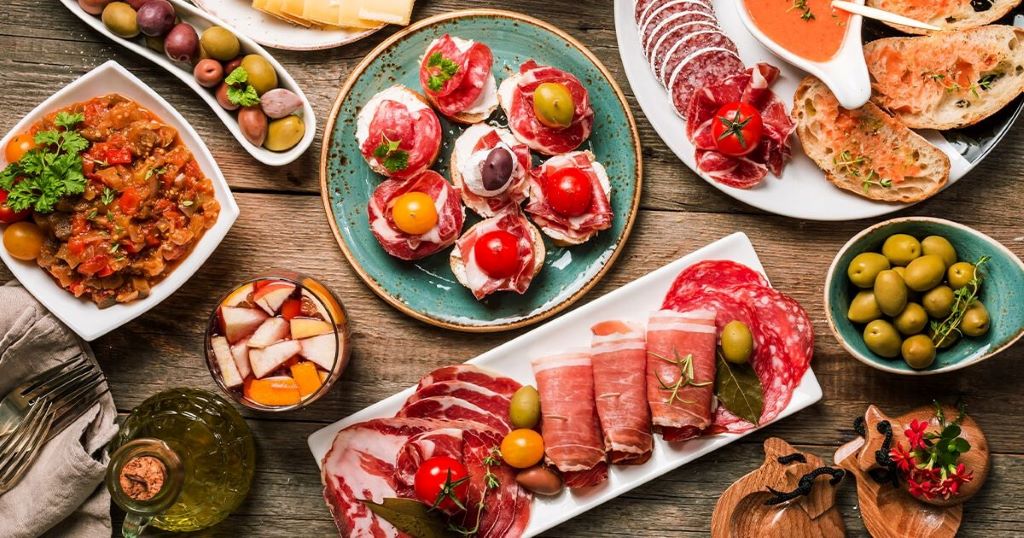
Tapas, the small plates synonymous with Spanish cuisine, have a history as rich and varied as the dishes themselves. The history of tapas in Spain begins with the term "tapas," derived from the Spanish verb "tapar," meaning "to cover." One popular theory suggests that bartenders used slices of bread or meat to cover drinks, preventing flies from entering and thus giving birth to the tradition of serving small snacks with beverages. Another legend attributes the origin to King Alfonso X of Castile, who, during an illness, consumed small portions of food with wine and later mandated that taverns serve food with alcohol to prevent drunkenness. Regardless of its true origin, tapas have become an integral part of Spanish culture, evolving from simple bar snacks to a sophisticated culinary art form.

Wine enthusiasts and casual drinkers alike often ponder the age-old question: what's the difference between red and white wine? While the most apparent distinction lies in color, the variations extend far beyond hue, encompassing aspects like production methods, flavor profiles, health benefits, and ideal pairings. Let's delve into the nuanced world of red and white wines to uncover what truly sets them apart.

Welcome, fellow food explorers, to the intriguing world of yam noodles! Often hailed as a miracle food, particularly in low-carb and health-conscious circles, these unique noodles offer a fascinating texture and culinary versatility. Whether you've stumbled upon "shirataki," "konjac noodles," or specifically "hand-cut yam noodles," you're likely wondering how to transform them from their sometimes-intimidating packaged state into a delicious meal component. A common question revolves around the cooking process, specifically: How long do you boil hand-cut yam noodles? While the answer might seem straightforward, achieving the perfect texture involves more than just timing. It's about understanding the noodle itself, proper preparation, and the factors influencing that crucial boiling step. This guide will delve deep into everything you need to know. We’ll explore what yam noodles are, the importance of preparation (especially for those hand-cut varieties), the optimal boiling time, tips for textural perfection, recipe ideas, health implications, and answer frequently asked questions. Let's unravel the secrets to mastering these fascinating noodles!

Quinoa. It's the little pseudo-grain that could. Heralded as a superfood, splashed across health blogs, and nestled comfortably in bowls and salads worldwide, quinoa (pronounced KEEN-wah) has firmly established itself in the culinary landscape. Packed with protein, fiber, and essential nutrients, it's a versatile, gluten-free powerhouse. But for all its popularity, a common kitchen conundrum persists: what's truly the best way to cook it? You've likely encountered recipes calling for a rapid boil, while others insist on a gentle simmer. Does it really make a difference?