

06 May Mastering Button Mushroom Boiling Time: A Comprehensive Guide to Tender, Tasty Fungi
Button mushrooms (Agaricus bisporus), those familiar, versatile fungi, are staples in kitchens worldwide. Their mild, earthy flavour and adaptable texture make them welcome additions to countless dishes, from rustic stews and elegant sauces to simple sautés and hearty breakfasts. While sautéing, roasting, and grilling often take the spotlight for developing rich, umami flavours, boiling remains a relevant and sometimes advantageous cooking method for these popular mushrooms.
Understanding the nuances of boiling button mushrooms, particularly the optimal button mushroom boiling time, is key to achieving the desired texture and ensuring they complement your dish perfectly rather than becoming rubbery or bland. This guide delves deep into the why, how, and when of boiling button mushrooms, exploring preparation, timing, nutritional considerations, and tasty alternatives.
Why Boil Button Mushrooms? Exploring the Reasons
Boiling might seem like a counterintuitive way to treat mushrooms, often prized for the deep flavours achieved through browning. However, there are specific scenarios where boiling offers distinct advantages or serves a necessary purpose.
One primary reason to boil button mushrooms is for pre-cooking. When adding mushrooms to recipes that have a relatively short cooking time, like certain quick soups, sauces, or stir-fries, pre-boiling ensures they are tender and cooked through without requiring extended simmering in the final dish. This is also helpful when preparing large batches; boiling provides a consistent way to cook a large volume of mushrooms evenly before incorporating them into other preparations. Similarly, boiling can be a step in preservation methods, preparing mushrooms for pickling or freezing, ensuring they maintain a better texture after thawing or storage.
Interestingly, some culinary techniques advocate for boiling mushrooms before sautéing them. As highlighted by sources like Lifehacker, this seemingly paradoxical approach works because boiling cooks the mushrooms through and forces them to release much of their initial water content. Well-drained, pre-boiled mushrooms, when introduced to a hot, oiled pan, tend to brown faster and more evenly.
This is because the pan’s energy goes directly into browning (the Maillard reaction) rather than first evaporating the copious amounts of water raw mushrooms release, which often leads to steaming instead of searing, especially if the pan is crowded. Some sources also suggest boiling, sometimes for extended periods (though this is less common for standard culinary use), may help reduce naturally occurring compounds like agaritine or hydrazine, although thorough cooking via other methods generally achieves this.
How to Prepare Button Mushrooms for Boiling
Proper preparation ensures your mushrooms cook evenly and taste their best. Start with fresh, firm button mushrooms that feel heavy for their size and are free from significant blemishes or sliminess.
The first step is cleaning. There’s often debate about whether to wash or merely wipe mushrooms. Button mushrooms grow in a pasteurized medium, so they aren’t typically covered in wild soil, but they can have some substrate clinging to them. For boiling, a quick rinse under cold running water is perfectly acceptable and often necessary. Place them in a colander and give them a brief shower, gently rubbing off any visible dirt with your fingers or a soft brush.
Immediately pat them thoroughly dry with paper towels or a clean kitchen towel. While some methods like roasting are more forgiving of slight water absorption, for boiling, you want to start with relatively dry surfaces. Avoid soaking them, as they can absorb excess water, potentially leading to a soggier boiled texture.
Next, trim the mushrooms. Slice off the very end of the stem if it appears dry, woody, or particularly dirty. The stems are entirely edible and flavourful, so only remove the tough base. Decide whether to boil the mushrooms whole, halved, quartered, or sliced. This choice depends largely on their size and how you plan to use them afterward. Smaller button mushrooms can often be boiled whole, while larger ones benefit from being halved or quartered for more even cooking and easier eating. Slicing is also common, especially if they’re destined for sauces or pizzas. Aim for relatively uniform pieces to ensure they all reach the desired tenderness within the same button mushroom boiling time.
The Boiling Process: Step-by-Step
Boiling button mushrooms is straightforward, but a few details help optimize the outcome.
Begin by selecting an appropriately sized pot – large enough to comfortably hold the mushrooms without overcrowding and allow the water to circulate freely. Fill the pot with enough water to fully submerge the mushrooms once added. You can choose to salt the water or leave it plain.
Some cooks prefer adding salt towards the end of the boiling time, believing it helps maintain a better texture, while others (especially those boiling before sautéing) might use heavily salted water from the start to season the mushrooms internally. You can also add aromatics like a bay leaf, a few black peppercorns, or a sprig of thyme to infuse subtle flavour, although this is optional. Bring the water to a rolling boil over high heat.
Once the water is boiling vigorously, carefully add the prepared button mushrooms. The water temperature will drop slightly, so allow it to return to a boil before reducing the heat slightly to maintain a steady simmer – gentle bubbling rather than a turbulent boil. As the mushrooms heat up, they will release some of their internal moisture, potentially increasing the water volume initially. You might notice some foam appearing on the surface; this can be skimmed off with a spoon if desired, though it’s generally harmless. Cook the mushrooms uncovered; this allows steam to escape and prevents the pot from boiling over, facilitating a more controlled cooking process.
Button Mushroom Boiling Time: Finding the Sweet Spot
This is the crucial part – how long do you actually need to boil them? The ideal button mushroom boiling time depends primarily on the size of the mushrooms (or pieces) and your desired final texture.
For most standard culinary applications, where the goal is tender but not mushy mushrooms (suitable for adding to other dishes or serving as is), the boiling time generally falls within a 3 to 7-minute range, timed from when the water returns to a simmer after adding the mushrooms. Smaller mushrooms or thin slices might be perfectly tender in just 3-5 minutes (as suggested by BoilingTime.com and Lifehacker). Larger whole mushrooms or quarters might need closer to the 5-7 minute mark (recommended by wikiHow). Some anecdotal advice suggests up to 10 minutes might be needed, particularly for larger, denser mushrooms.
The best way to check for doneness is to test a piece. Carefully remove a mushroom (or piece) from the pot and pierce it with the tip of a sharp knife or a fork. It should yield easily and feel tender through the center, but still retain some slight resistance – it shouldn’t feel mushy or disintegrate. Taste it (carefully!) to assess the texture. Be mindful of overcooking. While mushrooms are somewhat forgiving and don’t turn to complete mush as quickly as some vegetables, overboiling will result in a less pleasant, potentially rubbery or overly soft and waterlogged texture.
It also dilutes their delicate flavour and increases nutrient loss. Remember to drain the mushrooms immediately in a colander once they reach the desired tenderness to stop the cooking process. If boiling before sautéing, ensure they are drained extremely well, perhaps even using a salad spinner or pressing gently between paper towels to remove excess surface moisture.
Nutritional Impact of Boiling Mushrooms
Like many cooking methods, boiling affects the nutritional profile of button mushrooms. Understanding these changes can help you make informed choices about how you prepare them.
Button mushrooms are naturally low in calories and fat but offer valuable nutrients, including B vitamins (like riboflavin B2, niacin B3, pantothenic acid B5), minerals (potassium, phosphorus, copper, selenium), and some dietary fiber. They also contain non-nutritive compounds like polysaccharides (including immune-supportive beta-glucans) and antioxidants.
However, boiling involves immersing the mushrooms in hot water, which inevitably leads to some nutrient leaching. Water-soluble vitamins, particularly Vitamin C (though mushrooms aren’t a major source) and various B vitamins, are susceptible to dissolving into the cooking water. Minerals like potassium can also be partially lost. Studies cited by institutions like Harvard T.H. Chan School of Public Health and research published on platforms like ResearchGate indicate that boiling can decrease the overall antioxidant capacity compared to methods like microwaving or grilling, as beneficial compounds leach out.
However, it’s not all loss. Cooking, including boiling, helps break down the tough chitinous cell walls of mushrooms. This process can actually increase the bioavailability of certain nutrients and compounds, making them easier for our bodies to absorb. For example, proteins and minerals like zinc and copper may become more accessible after cooking, as noted by
Health Council Canada. While Vitamin D (ergocalciferol or D2), which mushrooms can produce when exposed to UV light, is fat-soluble and less prone to leaching in water, it can be lost if cooked in fat. Ultimately, while boiling causes some nutrient loss, especially of water-soluble vitamins, it can enhance the availability of others. If you’re concerned about maximizing nutrient retention, consider quicker cooking methods like sautéing or steaming. A practical tip is to reserve the mushroom boiling liquid (if unsalted or lightly salted) and use it as a flavourful base for stocks, soups, or sauces, thereby recapturing some of the leached nutrients and flavour.
Related: Mastering Beef Liver Boiling Time: A Complete Guide to Tender, Nutritious Results
Alternatives to Boiling Button Mushrooms
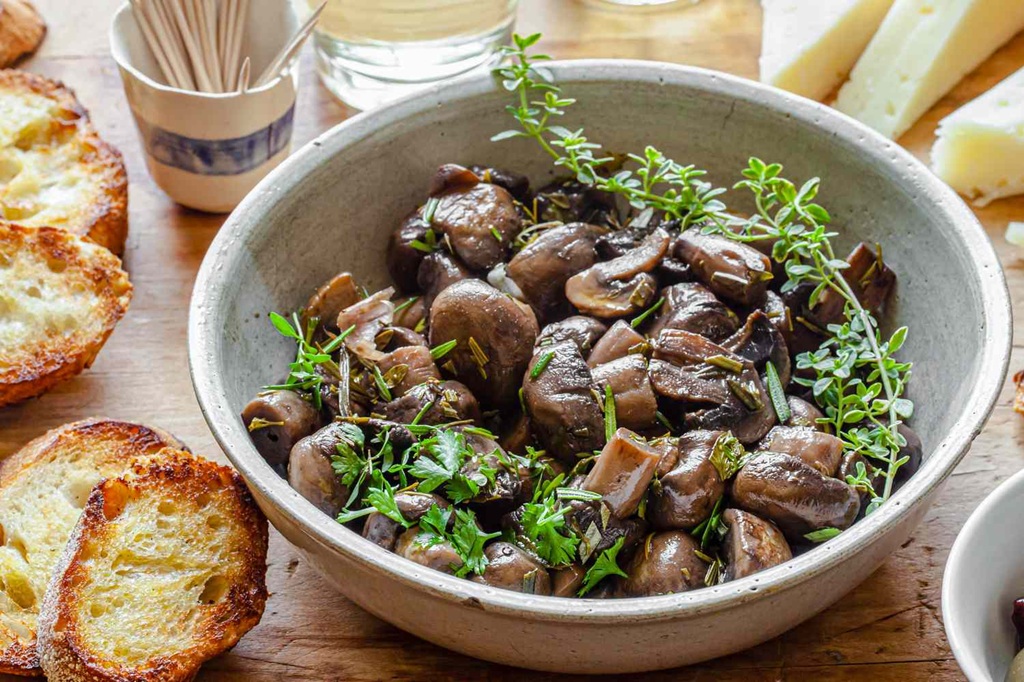
Boiling serves specific purposes, but often, other cooking methods are preferred for developing deeper flavours and different textures in button mushrooms.
Sautéing: Perhaps the most popular method, sautéing involves cooking mushrooms in a hot pan with a small amount of fat (butter, olive oil, or a combination). This encourages the Maillard reaction, creating deep brown colours and rich, savoury, umami flavours that boiling doesn’t produce. Whether you opt for a traditional sauté, a ‘dry sauté’ (cooking initially without fat, allowing mushrooms to release and evaporate their own liquid before adding fat for flavour, as described by Simply Recipes), or the boil-then-sauté technique, the goal is concentrated flavour and a pleasingly tender-chewy texture. Sautéed mushrooms are incredibly versatile, perfect alongside steaks, stirred into pasta, piled on toast, or added to omelets.
Roasting: Roasting mushrooms in a moderately hot oven (around 190°C or 375°F) is another excellent way to intensify their flavour. As they roast, moisture evaporates, concentrating their earthy notes and creating a wonderfully meaty, slightly chewy texture. Tossing them with olive oil, herbs (like thyme or rosemary), salt, and pepper before roasting enhances the process. Serious Eats suggests draining off the liquid mushrooms release partway through roasting not only speeds up browning but also yields a potent mushroom-flavoured liquid byproduct. Roasted mushrooms are delicious served as a side dish, added to salads, grain bowls, or used as a pizza topping.
Other Methods: Don’t forget grilling, which imparts a delightful smokiness and attractive char marks, perfect for skewers or burger toppings. Steaming is a very gentle method that preserves nutrients well and results in a soft, tender texture, suitable for delicate dishes or salads. And, of course, mushrooms can simply be added raw to salads for a fresh, subtly earthy crunch, or simmered directly in slow-cooked dishes like stews or long-simmering soups, where they have ample time to cook through and absorb the surrounding flavours.
Using Boiled Button Mushrooms
Once you’ve perfectly boiled your button mushrooms, how can you use them? Their tender texture makes them suitable for various applications.
Boiled mushrooms are excellent additions to soups and stews. Whether you’re making a creamy mushroom soup where they’ll be blended, or a hearty beef stew where they add earthy depth, pre-boiling ensures they contribute texture and flavour without needing excessive cooking time in the main pot. They integrate seamlessly into pasta sauces, gravies, and casseroles, providing soft, flavourful bites throughout the dish.
Beyond hot dishes, chilled boiled mushrooms can be marinated and added to salads for a textural contrast. They work well chopped and mixed into omelets, frittatas, or quiches. You can use them as a simple pizza topping or fold them into savoury crepe fillings. If boiled simply, they can be served as a light side dish, perhaps tossed with a little butter, fresh herbs (like parsley or chives), salt, and pepper. For a bit more flavour, you can give the drained boiled mushrooms a quick toss in a hot pan with garlic and butter, essentially combining boiling and a very quick sauté (as suggested by wikiHow).
Related: Mastering the Art of Boiling Boletus Mushrooms
Tips for Perfect Boiled Mushrooms
Keep these pointers in mind for the best results when boiling button mushrooms:
- Don’t Overcrowd: Give the mushrooms ample space in the pot. Overcrowding lowers the water temperature too much and can lead to uneven cooking or steaming rather than proper simmering. Cook in batches if necessary.
- Use Fresh Mushrooms: Start with firm, fresh mushrooms. Older, slightly dried-out mushrooms won’t yield the best texture when boiled.
- Uniform Size: Cut mushrooms into roughly equal-sized pieces for consistent cooking time.
- Drain Thoroughly: Once cooked, drain the mushrooms immediately and effectively to prevent them from becoming waterlogged. This is especially critical if you plan to sauté them afterward.
- Season Appropriately: Decide whether to season the boiling water or the mushrooms after cooking. A little salt in the water can season them internally, while herbs added post-boiling retain more freshness.
- Consider Blanching: For applications where you want mushrooms cooked but still retaining significant firmness (perhaps for certain salads or quick pickles), consider blanching – a very brief boil (1-2 minutes) followed immediately by an ice water bath to halt cooking rapidly.
People Also Ask (FAQs)
Here are answers to some common questions about boiling button mushrooms:
Q: How long should I boil button mushrooms?
A: Generally, you should boil button mushrooms for 5-7 minutes. This is usually enough to soften them without making them rubbery.
Q: Why boil button mushrooms?
A: Boiling is a quick way to partially cook mushrooms before adding them to other dishes like stews, soups, or sauces. It can also help to tenderize them.
Q: Should I boil whole or sliced button mushrooms?
A: You can boil them whole or sliced. Sliced mushrooms will cook faster, so you might reduce the boiling time to around 3-5 minutes. Whole mushrooms will take slightly longer.
Q: Do I need to add anything to the boiling water?
A: You can simply boil them in plain water. Some people prefer to add a pinch of salt or a squeeze of lemon juice to help maintain their color.
Q: Can I overboil button mushrooms? What happens if I do?
A: Yes, you can overboil mushrooms. Overboiled mushrooms will become mushy, rubbery, and lose their natural flavor and texture. It’s best to keep a close eye on them while they are boiling.
Q: Is boiling the best way to cook button mushrooms?
A: Boiling is just one way to cook mushrooms. Other popular methods include sautéing, roasting, and grilling, each offering a different flavor and texture. The best method depends on the dish you are preparing.
Q: Can I use the water that the mushrooms were boiled in?
A: The water will have some mushroom flavor and can be used in stocks or sauces if desired. However, it might also contain some impurities from the mushrooms, so strain it well before using.
Q: How should I store leftover boiled button mushrooms?
A: Allow the boiled mushrooms to cool completely, then store them in an airtight container in the refrigerator for up to 3-4 days.
Related: Golden Grain: The Definitive Guide to Chickpea Boiling Time and Beyond
Conclusion: Boiling Button Mushrooms Wisely
Boiling button mushrooms is a straightforward technique that has its place in the culinary repertoire, particularly for pre-cooking or achieving a specific soft texture. While sautéing and roasting excel at developing deep, complex flavours, understanding the optimal button mushroom boiling time – typically between 3 and 7 minutes depending on size – allows you to effectively use boiling when needed.
Remember the trade-offs: boiling offers convenience and tenderness but can lead to some loss of water-soluble nutrients and doesn’t create the rich browning associated with dry heat methods. By cleaning and preparing your mushrooms properly, controlling the simmer, timing accurately, and draining well, you can successfully boil button mushrooms for use in soups, stews, sauces, and more. Choose the cooking method that best suits your recipe and desired flavour profile, and enjoy the versatile, earthy goodness of button mushrooms in all their forms.
Sorry, the comment form is closed at this time.