

07 Apr Frozen Broccoli: Boiling Time, Tips, and Culinary Delights
Frozen broccoli, a kitchen staple for its convenience and nutritional value, offers a quick and easy way to incorporate vibrant greens into your meals. However, achieving the perfect texture—tender yet slightly crisp—requires understanding the optimal boiling time and techniques. This article delves into the nuances of cooking frozen broccoli, addressing common queries and providing insights to elevate your culinary creations.
Understanding Frozen Broccoli and Its Advantages
Frozen broccoli is typically harvested at peak ripeness and flash-frozen, preserving its nutrients and vibrant color. This process offers several advantages:
- Convenience: Frozen broccoli eliminates the need for washing, trimming, and chopping, saving valuable time in the kitchen.
- Nutritional Value: Flash freezing locks in essential vitamins and minerals, often surpassing the nutritional content of fresh produce that has traveled long distances.
- Year-Round Availability: Regardless of the season, frozen broccoli ensures a consistent supply of this healthy vegetable.
- Reduced Waste: Pre-portioned bags minimize food waste, as you only use what you need.
- Cost-Effectiveness: Frozen broccoli is often more budget-friendly than fresh broccoli, especially during off-seasons.
However, the key to unlocking its full potential lies in mastering the boiling process. Overcooking results in mushy, flavorless broccoli, while undercooking leaves it tough and unpalatable.
The Crucial Boiling Time: Achieving the Perfect Texture
The ideal boiling time for frozen broccoli depends on the desired texture and the size of the florets. Generally, a range of 3 to 5 minutes is recommended.
- For Tender-Crisp Broccoli (3-4 Minutes): This short boiling time preserves the broccoli’s vibrant green color and slight crunch, making it ideal for salads, stir-fries, and side dishes.
- For Softer Broccoli (4-5 Minutes): If you prefer a softer texture, extend the boiling time slightly. This is suitable for purees, soups, or dishes where a delicate consistency is desired.
- Boiling Instructions:
- Bring a pot of salted water to a rolling boil.
- Add the frozen broccoli florets, ensuring they are submerged.
- Start timing as soon as the water returns to a boil.
- Cook for the desired duration (3-5 minutes), adjusting based on your preference.
- Drain the broccoli immediately and either serve or plunge it into an ice bath to stop the cooking process and preserve its color.
- It is very important to use a pot with enough water. Too little water can cause uneven cooking.
Related: Bulgur: The Perfect Boil for Every Dish
Enhancing Flavor and Texture: Beyond Boiling
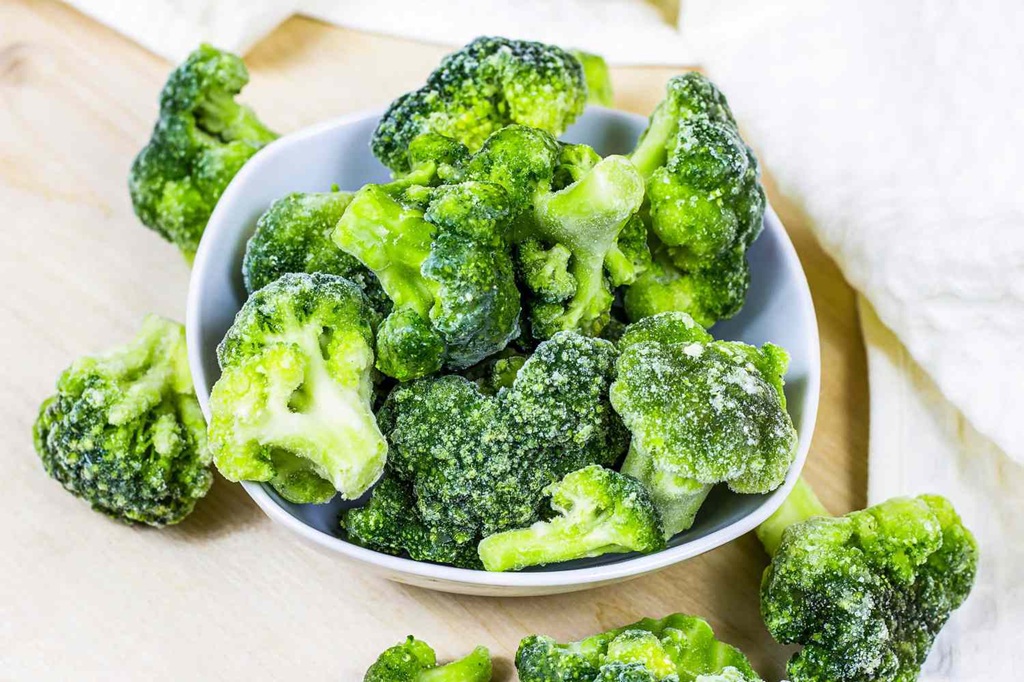
While boiling is a straightforward method, several techniques can elevate the flavor and texture of frozen broccoli:
- Steaming: Steaming preserves more nutrients and results in a tender-crisp texture. Place the frozen broccoli in a steamer basket over boiling water and steam for 5-7 minutes.
- Roasting: Roasting imparts a caramelized sweetness and nutty flavor to broccoli. Toss the frozen broccoli with olive oil, salt, pepper, and your favorite spices, then roast at 400°F (200°C) for 15-20 minutes.
- Sautéing: Sautéing frozen broccoli with garlic, onions, and other vegetables creates a flavorful and quick side dish.
- Microwaving: Microwaving can be very fast, but requires care. Place the frozen broccoli into a microwavable container with a few tablespoons of water. Cover and microwave for 3-5 minutes, checking the tenderness every minute.
- Adding Seasoning: Salt, pepper, garlic powder, onion powder, lemon juice, and red pepper flakes can enhance the flavor of boiled broccoli.
- Adding fats: A small amount of butter, or olive oil added after boiling improves mouth feel and flavor.
People Also Ask: Addressing Common Queries
Here are some frequently asked questions about cooking frozen broccoli:
-
Do I need to thaw frozen broccoli before boiling?
- No, you do not need to thaw frozen broccoli before boiling. Cooking it directly from frozen ensures even cooking and prevents it from becoming mushy.
-
How do I prevent frozen broccoli from becoming mushy?
- Avoid overcooking. Boil the broccoli for the recommended time (3-5 minutes) and drain it immediately. Plunging it into an ice bath can also stop the cooking process and preserve its crispness.
-
Can I boil frozen broccoli in the microwave?
- Yes, you can boil frozen broccoli in the microwave. Place the broccoli in a microwave-safe dish with a few tablespoons of water, cover, and microwave on high for 3-5 minutes, checking for tenderness every minute.
-
How do I season boiled frozen broccoli?
- Salt, pepper, garlic powder, onion powder, lemon juice, and red pepper flakes are excellent seasonings for boiled broccoli. You can also add a drizzle of olive oil or a pat of butter for added flavor.
-
Is frozen broccoli as nutritious as fresh broccoli?
- Yes, frozen broccoli is often as nutritious, if not more nutritious, than fresh broccoli. Flash freezing locks in essential vitamins and minerals, preserving their nutritional value.
-
Can I use frozen broccoli in soups and stews?
- Yes, frozen broccoli is an excellent addition to soups and stews. Add it towards the end of cooking to prevent it from becoming overcooked.
-
Can I roast frozen broccoli?
- Yes, you can roast frozen broccoli. Roasting it provides a very nice flavor.
-
What is the best way to cook frozen broccoli for a baby?
- For babies, steaming or boiling until very soft is recommended. Puree the cooked broccoli for a smooth texture.
-
Can I use frozen broccoli in a stir-fry?
- Yes, frozen broccoli works well in stir-fries. Sauté it with other vegetables and sauces for a flavorful and healthy meal.
-
How do I store leftover boiled frozen broccoli?
- Store leftover boiled frozen broccoli in an airtight container in the refrigerator for up to 3-4 days.
Related: Perfecting Your Plate: Mastering the Basmati Rice Boiling Time for Fluffy, Aromatic Results
Expanding Culinary Horizons: Incorporating Frozen Broccoli into Diverse Dishes
Frozen broccoli seamlessly integrates into a wide range of culinary creations:
- Broccoli and Cheese Casserole: A classic comfort food, combining tender broccoli with a creamy cheese sauce and a crispy topping.
- Broccoli Salad: A refreshing and healthy salad featuring blanched broccoli, cranberries, almonds, and a light dressing.
- Broccoli Soup: A creamy and comforting soup made with blended broccoli, vegetables, and broth.
- Broccoli Stir-Fry: A quick and easy meal featuring sautéed broccoli, vegetables, and your choice of protein.
- Broccoli Frittata: A savory egg dish with broccoli, cheese, and other vegetables.
- Broccoli and Cheddar Quiche: A rich and flavorful quiche with a flaky crust and a creamy filling.
- Broccoli Pesto Pasta: A vibrant and healthy pasta dish with a broccoli pesto sauce.
- Broccoli and Chicken Alfredo: A creamy and comforting pasta dish with tender chicken and broccoli florets.
Conclusion: Embracing the Versatility of Frozen Broccoli
Frozen broccoli is a versatile and nutritious ingredient that deserves a place in every kitchen. By understanding the optimal boiling time and exploring various cooking techniques, you can unlock its full potential and create delicious and healthy meals. Whether you prefer it tender-crisp, roasted, sautéed, or incorporated into soups and casseroles, frozen broccoli offers a convenient and flavorful way to enhance your culinary creations. Embrace its versatility and elevate your cooking with this kitchen staple.
Sorry, the comment form is closed at this time.