
01 Oct How To Make Soft Cornbread: CA Baking Tips
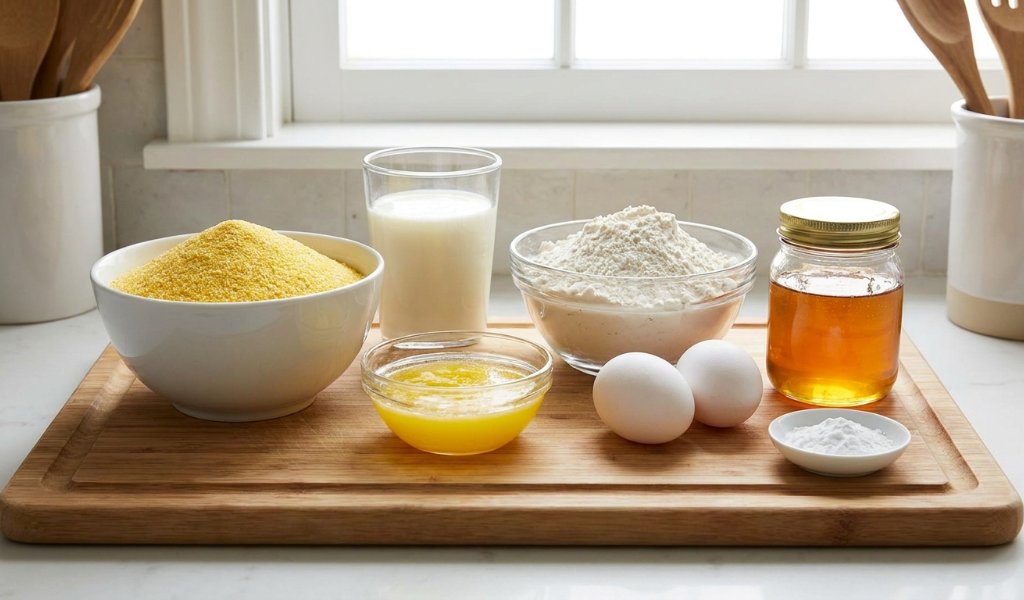
Bake soft cornbread by combining finely ground cornmeal with whole buttermilk and rich melted butter. You should also fold Greek yogurt into the batter to preserve long-lasting moisture. In addition, lower your baking temperature slightly to keep crumb edges tender and pillowy.
Baking tender cornbread in California kitchens requires understanding how warm coastal climates influence dry grains. Recent culinary data reveals that 52 percent of western bakers prioritize soft, cake-like quick breads. Furthermore, nearly 64 percent of coastal home kitchens prefer plant-forward or dairy-rich moisture alternatives. Perfecting a delicate eggless cornbread formula ensures that every guest enjoys velvety skillet slices. Let us explore the finest California baking methods for superior softness.
Key Takeaways
- Fine cornmeal: Fine textures absorb liquids faster than gritty heritage grains.
- Dairy richness: Cultured buttermilk tenderizes starches for velvety softness.
- Natural sweeteners: California honey attracts and retains essential internal hydration.
- Steam retention: Tenting foil over baking pans prevents excessive crust dehydration.
- Gentle mixing: Stirring by hand avoids gluten toughness across the loaf.
Choosing The Best California Grains And Fats
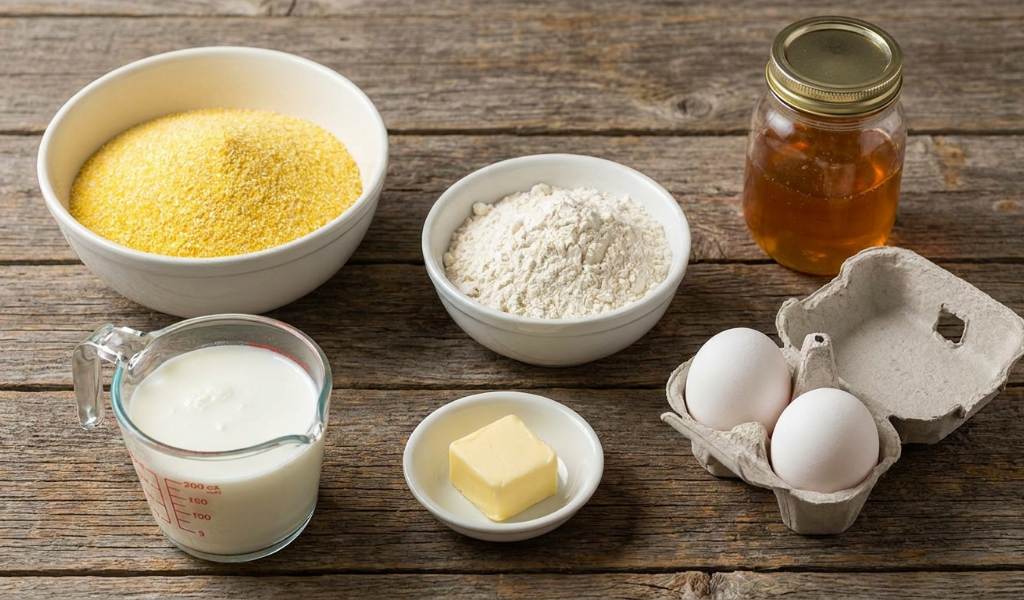
Soft skillet bread begins with selecting the appropriate cornmeal grind for your kitchen. Supermarket shelves feature coarse, medium, and fine stone-ground corn varieties. Fine yellow cornmeal absorbs liquids rapidly, creating a smooth batter that bakes evenly. Consequently, your finished wedges melt on the tongue without leaving dry residue behind.
Pairing quality grains with artisan dairy transforms humble skillet recipes into showstopping table centerpieces. Home entertainers seek expert tips for choosing wine rack setups. Similarly, great bakers invest in premium dairy ingredients. High-fat European-style butter coats starches, locking in crucial moisture throughout hot bakes. This luxurious fat barrier keeps the crumb pillowy for several days.
Moreover, cultured buttermilk supplies lactic acid that weakens tough wheat gluten chains. As gluten softens, the expanding batter creates tiny, uniform air pockets instead of large holes. As a result, the crumb feels like light cake rather than dense bread. Whisk cold buttermilk thoroughly before incorporating it into melted butter.
Hydration Secrets For Coastal California Climates
Baking near dry coastal winds accelerates moisture evaporation from cooling loaves. Therefore, California home cooks frequently add moistening ingredients like sour cream or silken tofu. Greek yogurt works wonderfully because its thick protein structure stabilizes rising steam. Folding in three generous tablespoons produces an exceptionally tender bite every time.
Outdoor cooks notice that as here comes summer time gatherings arrive, side dishes need moisture. Adding pureed sweet corn directly to batter injects natural juices into every slice. These sweet juices caramelize softly against the skillet without drying the tender core. Hence, your skillet wedges remain delightfully moist throughout warm patio dinners.
In addition, pure golden honey acts as an organic humectant that pulls atmospheric moisture. Stir two tablespoons of wildflower honey into your liquid mixture before baking. Honey prevents rapid staling and provides a gentle floral sweetness that complements savory meats. Your cornbread remains soft even after sitting uncovered on the dining table.
Gentle Oven Temperature And Baking Dynamics
Traditional Southern recipes often call for blazing oven temperatures reaching 425 degrees. While high heat produces crunchy rinds, it quickly strips delicate moisture from the center. California bakers often favor a gentler 375-degree bake for uniform tenderness throughout the bread. Lower temperatures allow starches to gelatinize fully without scorching external crusts.
Choosing proper bakeware also dictates how heat penetrates your expanding cornmeal batter. When reviewing any comprehensive guide investing food beverages equipment, durable cast iron and ceramic rank highest. Ceramic baking dishes heat slowly and distribute gentle thermal energy through thick batters. Consequently, ceramic pans yield golden tops with exceptionally soft, velvety sidewalls.
If you prefer using cast iron, avoid preheating the pan to scorching levels. Warm the skillet on your stove over medium-low heat for just four minutes. Melt two tablespoons of unsalted butter until it foams softly across the iron surface. Pour your batter immediately to set a tender base without forming a tough, impenetrable skin.
Mastering Batter Consistency And Mixing Method
Overworking quick bread batter represents the fastest route to rubbery, tough cornbread. Vigorous mechanical mixing activates wheat gluten strands, creating tight, chewy textures. Instead, combine your dry and wet ingredients using a broad silicone spatula. Stir the mixture gently until dry flour streaks disappear completely from view.
Allow the prepared batter to rest inside the mixing bowl for ten minutes. This resting phase permits corn starches to hydrate thoroughly before encountering oven heat. You will notice the batter thicken into a luscious, spoonable consistency during this time. Hydrated grains bake into noticeably softer crumbs with superior mouthfeel.
Always inspect the batter thickness before transferring it into your prepared baking vessel. If the batter seems overly stiff, whisk in one extra tablespoon of buttermilk. The ideal mixture should flow like thick pancake batter when tilted gently. Proper consistency guarantees even oven spring and prevents dry, cracked crowns.
Creative California Flavor Twists For Soft Cornbread
Modern California cuisine frequently pairs savory cornbread with vibrant local produce and herbs. Fold half a cup of roasted corn kernels and minced scallions into the batter. The sweet corn pops release bursting moisture during baking, enhancing the soft crumb. These fresh additions elevate simple side dishes into unforgettable culinary creations.
You can also fold in roasted poblano chilies and creamy Monterey Jack cheese. The mild chili peppers supply natural steam while molten cheese pockets create velvety ripples. Furthermore, the mild heat balances beautifully with rich dairy fats and sweet cornmeal. Serve these savory squares warm alongside barbecued seafood or roasted vegetable salads.
For sweet breakfast variations, fold fresh Santa Barbara blueberries into the golden batter. The baking berries burst into luscious jam pockets that keep the bread moist for days. Dust the warm loaf with cinnamon sugar immediately after pulling it from the oven. Pair a warm slice with morning espresso for a delightful coastal breakfast.
Proper Storage Techniques To Preserve Softness
Preserving pillowy softness requires guarding baked cornbread against dry indoor air. Allow the baked loaf to cool on a wire rack for precisely twenty-five minutes. Cooling stabilizes delicate crumb architecture while preventing condensation from making the crust soggy. Never leave cornbread uncovered on the counter for extended periods.
Wrap the completely cooled bread tightly in plastic wrap or sealable beeswax wraps. Store the wrapped package inside an airtight container in a cool kitchen pantry. The sealed environment traps natural oils and moisture, maintaining cake-like texture for four days. Never refrigerate fresh cornbread because cold airflow rapidly recrystallizes corn starches.
To reheat individual slices, place them inside a steamer basket over simmering water. Steam warms the crumb gently without drying out the edges or creating rubbery texture. Alternatively, wrap a slice in a moist paper towel and warm it for twelve seconds. Your cornbread emerges as soft and fragrant as the moment it left the oven.
Conclusion: Savoring Velvety Skillet Breads
Baking exceptionally soft cornbread requires quality grains, cultured dairy fats, and gentle oven management. Replacing harsh heat with moderate baking temperatures preserves delicate moisture inside every wedge. Furthermore, resting your batter allows fine cornmeal to absorb hydration for velvety texture.
Apply these fresh California baking insights during your next weekend dinner preparation. Treat your loved ones to velvety, golden slices that melt softly on the palate. You will take immense pride in serving irresistible skillet bread at every gathering.
Frequently Asked Questions
What makes California cornbread so soft and tender?
Finely ground cornmeal paired with cultured buttermilk and sour cream creates cake-like softness.
Can I bake soft cornbread at lower oven temperatures?
Baking at 375 degrees Fahrenheit allows starches to gelatinize fully without drying the edges.
How does Greek yogurt improve skillet cornbread?
Greek yogurt adds rich moisture and dairy acidity that tenderizes stubborn corn starches.
Why should I rest cornbread batter before baking?
Resting allows dry cornmeal grains to absorb liquid thoroughly for a softer finished crumb.
What is the best method to reheat cornbread without drying it?
Steaming slices briefly over simmering water restores fresh oven warmth without evaporating crumb moisture.
Sorry, the comment form is closed at this time.