




There is no safe level of alcohol consumption. Risk consumption, harmful consumption, episodic excessive consumption. And alcohol dependence is nowadays considered a major public health problem and its causes come together with multiple circumstances and determinants.


Wine | How it’s made?

Team Of Sommelier
Reviews
Read Our Articles
What are the dangers (bad effects) of alcohol?

Alcohol is a depressant substance of the central nervous system. In addition to having an effect on the brain and changing some of its functions (coordination, attention, memory…), its continued use also affects other organs such as the kidney, liver, or circulatory system. Initially, the effects of alcohol are subtle, but they can be dangerous because a person under its influence is not a good judge of their behavior.
The top ten benefits and properties of red wine
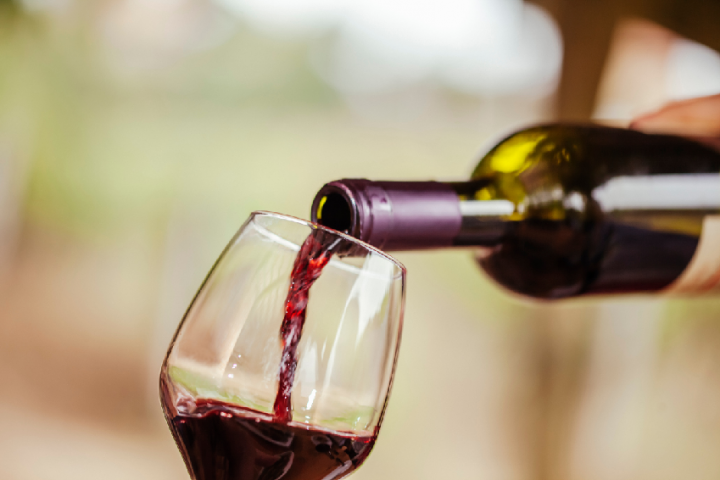
Throughout history, different civilizations have firmly believed in the properties of red wine: a series of characteristics that, apparently, make it a great ally for human health:
Antioxidant, anticancer, analgesic… Positive results to treat heart or cardiovascular diseases, to combat cholesterol… Its composition has even been related to the reduction of stress, anxiety, and mental health.
How to make the best homemade pizza in the world
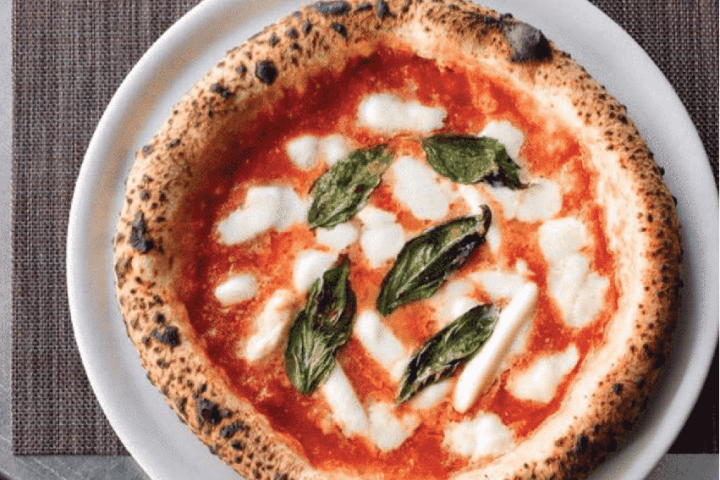
With this special pizza that we bring you, you will never again have doubts about how to make homemade pizza. Learn the differences in the types of pizza, how each of the pizza doughs is made, the ingredients, and the secrets to getting the perfect pizza. You just have to choose your favorite and enjoy it.
Today we are going to dedicate a special to homemade Italian pizza because there is nothing in the world that we like more than a good homemade pizza at the end of the week.
And although today there are ready-made pizza doughs on the market, we love making them, because there is nothing better than a good homemade artisanal pizza, from the dough to the rest of the ingredients, which varies depending on family tastes.
We encourage you to follow this process with us because we are going to try to explain it to you as best as possible. Try to do it once and then you decide which is the best option.
How to make fluffy Neapolitan pizza
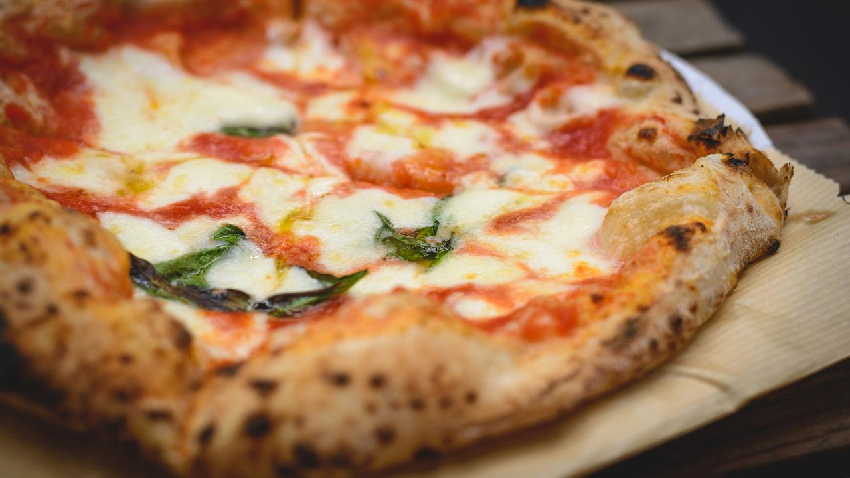
Add the flour, dry yeast, water, and salt to a bowl, mixing all the ingredients. Knead gently for a few minutes, until the ingredients are incorporated and we get a ball that is homogeneous.
Put the ball in a well-oiled bowl and cover it with plastic wrap. Let it ferment at room temperature for 6 to 8 hours, during which it will triple its size.
After that time we sprinkle flour on the work table and divide the dough into two portions. Form two balls and place in two bowls also covered with plastic wrap.
Put in the fridge for a minimum of 24 hours. Remove the dough from the fridge and let it rest at room temperature, well covered, for two hours.
How To Make Pizza Dough
There are two basic types of Italian pizza dough: Neapolitan pizza dough (fluffier) and Roman pizza dough (crunchier).
We have explained the Neapolitan pizza to you and now we are going to explain the second dough, more crispy, of the Roman pizza. Then all that remains is to decide on your favorite pizza recipe.
Roman Crusty Pizza Dough
Roman pizza is the other type of Italian pizza, also delicious. It was born in the post-war period in Rome, 200 years after the invention of the famous Neapolitan pizza.
This pizza has a crispy crust that often breaks when you bite into it.
- The main difference with Neapolitan pizza is the dough since in this type of pizza less proportion of water is used per flour than in Naples (around 55% water). This results in less fluffy pizza dough.
- Roman pizza is made with wheat flour, water, yeast, salt, and a little oil. The oil, which increases its crunchy texture, differentiates it from the Neapolitan, which does not have it.
- The base of the Roman pizza is thinner and has practically no crust.
- It bakes for about 3 minutes, so it’s drier and crispier than its rival Italian pizza. Even sometimes the edges are slightly burned.
Crunchy Roman Pizza Dough Recipe
Ingredients Roman Pizza Dough: 250 g of strong flour; 125 g of water; 2 g of pressed yeast; 7 g of salt; 10g olive oil
How to make Roman pizza:
- We dissolve the yeast in 125 ml of warm water and mix well. Make a volcano with the flour in a bowl, and add the dissolved yeast in the center, mixing well. Add the oil and salt and continue mixing until everything is integrated.
- With a wooden spoon or a spatula, integrate the flour with the yeast dissolved in water, mixing well. Once mixed, add the olive oil and salt.
- Put the dough on a surface sprinkled with flour, and knead it with your hands for a few minutes until it does not stick to your hands and is elastic for about 10 minutes.
- Place in a clean, floured bowl, cover it with a cotton cloth and let it rise at room temperature for 2 hours, during which it will double in volume.
- After that time, preheat the oven to 240ºc for half an hour.
- We separate the dough into the number of pizzas we want to make (we can prepare one large or two medium). We place it on a work surface dusted with flour and stretch it well with a rolling pin, starting from the center towards the sides and giving it the shape we want.
Homemade Carbonara Pizza Recipe
This carbonara pizza is a Bianca pizza, that is, it does not have tomato.
Ingredients: 1 homemade pizza dough; 100 g of mushrooms; 100 ml of cooking cream; 4 slices of bacon; Half an onion; Parmesan; Salt; Pepper.
Mozzarella Cheese For Pizza
The type of cheese for pizzas does not raise doubts, we all know that it is mozzarella cheese, but which of them is better? Purists say that the best is buffalo mozzarella cheese, and within this, the best is that of Campana, a region of Italy. But given its price and difficulty in finding it, mozzarella cheese will be great for your pizza.
You may also be interested in Special tips to cook the juiciest and delicious steak
Special tips to cook the juiciest and delicious steak

If you are a steak lover, this selection of infallible tips will help you become an expert on the grill and cook the most delicious steak.
One of the greatest qualities of roasting a cut of meat is how simple it is to prepare, just by having a pan or grill, oil, salt, and fire we obtain an exquisite main course. Despite this, on many occasions when cooking meat we make some mistakes, which are decisive in the final result, especially in the term and juiciness of the meat.
We present a selection of infallible tips so that the next time you cook meat you do it like an expert.
Tips for cooking tender and juicy cuts of meat:
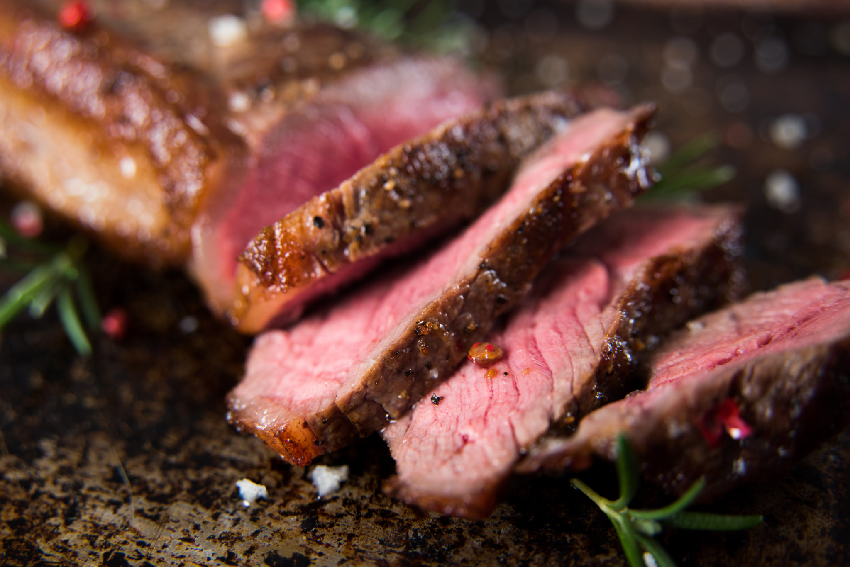
Meat temperature
This is one of the points that most influences the cooking of meat and it is very easy to comply with it: the meat should always be at room temperature. If the meat you are going to prepare was frozen, you must defrost it beforehand and correctly. Never cook frozen meat! The result will be fatal, when you cold roast the meat you will get a cut that is overcooked on the outside and raw on the inside.
The thickness of the meat does matter!
The thicker the cut of meat, the easier it will be to control the perfect doneness: golden on the outside, pink and juicy on the inside; Normally when cooking thin cuts of meat, it is very easy to cause overcooking. Try to select fresh, organic cuts of meat and investigate the most recommended variants, some good examples of cuts are:
- T-bone steak: It receives this name because a “T” shaped bone separates the loin and the steak. It stands out for being meat with a great flavor, its texture is soft and it is a cut that has little fat.
- Loin-Tenderloin: It is one of the most expensive variants of meat, but its flavor is truly unmatched. It is lean and tender, notable for being only 2 inches thick, and when prepared correctly is ideal for truly juicy meat. It is also known as tenderloin or tenderloin, seasonings such as fresh rosemary, peppercorns, and mustard are wonderful.
- Rib Eye Steak: It is one of the finest cuts that exist, its meat is one of the softest because it comes from the fifth to the eleventh vertebra of the beef ribs. It is also one of the cuts with the highest fat content, this also influences its extraordinary flavor and texture.
- Back Ribs: This cut is popularly known as “strip roast” and is obtained from the beef rib. It is one of the meatiest cuts, with the highest fat content, which is why it is the softest. It is ideal for cooking on the grill and is well marinated.
- Skirt: Although we all know it as “arrachera” it is a cut that comes from the animal’s diaphragm and is one of the classics. It stands out for being quite accessible in price, for its delicious flavor and great versatility.
The unique touch of seasoning the meat well
Do not be afraid to season the meat well, it is a wonderful way to bring out its flavors in a natural way. Remember that in thick cuts of meat, the spices and seasonings you use will remain in the form of a crust and will not reach the center of the cut. The only aspect with which you should be especially careful is with the salt, try to add it at the end when the meat is already cooked, when raw it absorbs it much more.
The importance of the correct iron temperature
To make it golden on the outside and juicy on the inside, you should brush the pan with a little olive oil. Subsequently, heat the griddle very well (this step is essential), place the cut of meat, and wait to see blood on the upper part to turn it over. You only have to turn it in once!
The magic of thermometers
One of the best tips to ensure success in the correct cooking of meat is to use thermometers that will help you determine the correct term of the meat. Consider the following parameters:
- Raw (not fully cooked, with red inside): 46 ºC
- Sealed/Blue rare (very red and cold): 46-52 ºC
- Medium raw (red inside, pink outer zone): 52-55 ºC
- Medium (hot red inside, pink outside): 55-60ºC
- Three quarters (mostly grey-brown, with hints of pink): 60-70ºC
- Very Well Done or Four Quarters (mostly gray-brown, no pink spots): 160°F or higher.
You may also be interested in Here comes Summer and time to fire up the grill! What wine do you choose?
Homemade red wine recipes, the best of all
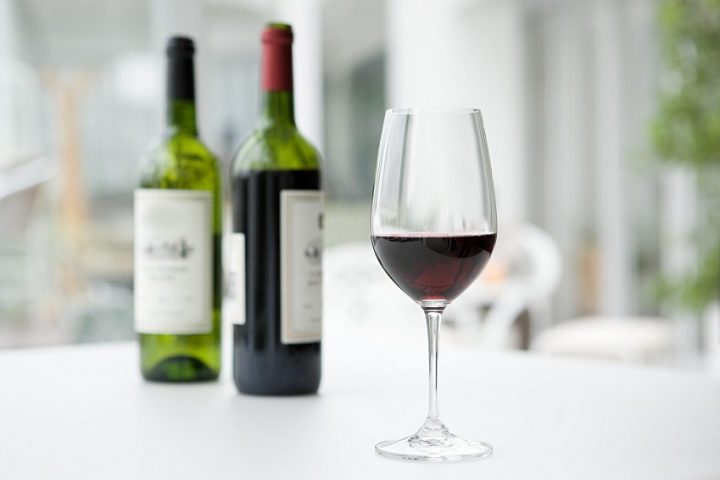
For wine lovers, red wine is one of the best options to accompany red meats. With a dark garnet color and an intense flavor, this exquisite drink is made with a must of red grapes. There is a great variety of recipes, with sweet or bitter touches, but all of them are made with the same dedication. If you are passionate about enology and enjoy wine as much as we do, we recommend that you take a look at the Master in Wine and Spirits Making.
Classification Of Red Wine
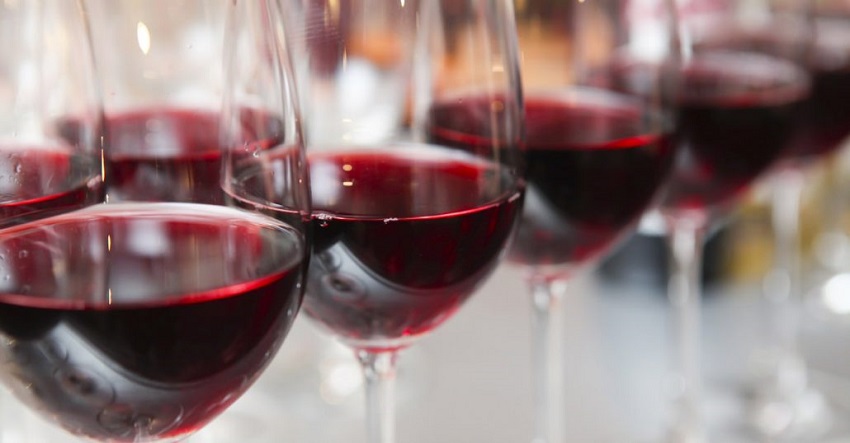
Depending on the aging time in the barrel and in the bottle, red wine is classified as follows.
- Young or year: it has not spent enough time in the barrel to be considered aging.
- Aging: it has spent between six and twelve months in the barrel and has rested in the bottle for at least three years before being marketed.
- Reserve: it has spent at least one year in the barrel and, at least, four resting in the bottle.
- Gran Reserva: it has spent at least two years in the barrel and three in the bottle, and can be marketed after the sixth year. It is the most difficult grade, and only exceptional harvests make it.
How To Make Homemade Red Wine
In case you doubted it, anyone can make their own wine. However, it is important that you know the process and that you choose quality raw materials. We present you with a simple guide with which you will have no problem making your own wine.
The first step is to choose quality raw materials. Find a nearby vineyard and choose the right grape. The varieties of red grapes that we can get are Cabernet Sauvignon, Garnacha, Merlot, Monastrell, Tempranillo, Bonarda or Sangiovesse. For a liter of red wine, two kilos of grapes are usually recommended.
Crushed Grapes
The next step is to extract the juice from the grape, called must. The grapes can be crushed with a small press, a grinder, or with the treading of the grape. The latter is one of the most used traditional methods for quality artisanal wine. The fresh must ferment quickly and has to be controlled, don’t forget it.
Fermentation
For it to ferment, the must be placed in jars, darts, or demijohns. During fermentation, the solids from the crush must be present. In the production of wine, they must ferment together with grape juice, skins, and seeds, among others. This is because, in this way, it obtains better color, aroma, and texture. The fermentation temperature should not exceed 30ºC. The fermentation time, on the other hand, will depend on the volume to be fermented. One hundred liters of wine takes approximately two days to ferment.
To keep the wine clean of bacteria during fermentation, yeasts and nutrients are often used. Yeasts are responsible for transforming fructose into ethyl alcohol. Although the grape already has yeast, it is recommended to add more to control fermentation.
Clarification And Filtering
Once the fermentation is finished, the liquid is separated from the solids and the wine is filtered. Clarifiers are used to help filter and clean and are left to act for two or three days. Those currently used consist of bentonites and other products that do not alter the aroma of the wine. At temperatures below ten degrees, stabilization is achieved in less time, as well as more effective.
The wine must be filtered at least three times, with the graduation of filters from coarser to finer. The filters can be purchased in specialized stores or laboratories. Next, and being careful not to remove the deposits, the transfer is carried out to another jar.
Maceration
In the new vessel, it is important to let the wine rest with the barrel closed. Let it rest in a cool place without temperature variations, for a period of days equal to or greater than that of fermentation.
After the maceration time, we can bottle our red wine.
You may also be interested in The importance of wine at the table, and more!
The importance of wine at the table, and more!
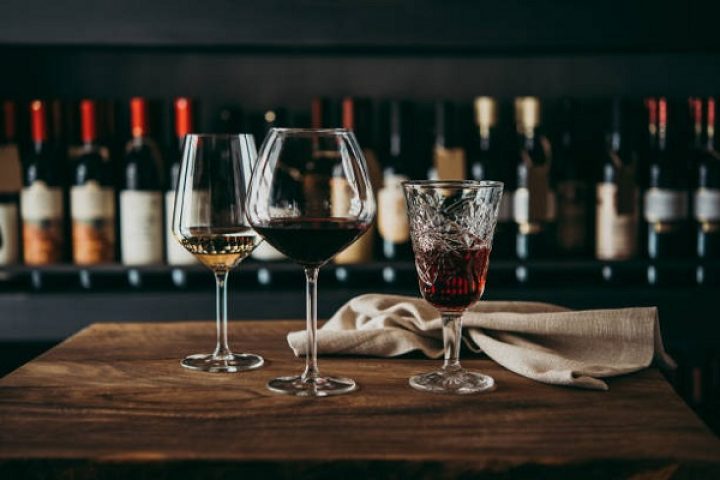
Wine, from the guest of honor during meals to ally for good health. Let’s find out its important role together! The wine has held for thousands of years an excellent place on tables all over the world. A drink that derives from the alcoholic fermentation of grape juice. It has been produced since the times of the Ancient Romans, who helped to spread the cultivation of the vine in all the territories of the Empire.
Is wine good or bad for health?

There are many research claims of the benefits of drinking wine, but what is the truth of the matter? Is wine good or bad? Wine contains a high amount of antioxidants which can help protect your cells against damage. It also has resveratrol which helps prevent blood clotting and developing plaque in your arteries. This reduces the risk of heart disease and stroke.
Is wine good for health?
Wine also contains fluoride, which is good for your teeth. A little wine will help prevent tooth decay and reduce cavities. However, too much wine can cause dental problems like tooth loss or crack.
Although a small amount of red wine does benefit your health, there are some significant negative effects when you consume it in excess. Drinking more than one glass of wine per day will contribute to high blood pressure, increase the risk of breast cancer in women, and liver disease.
How much wine is healthy?
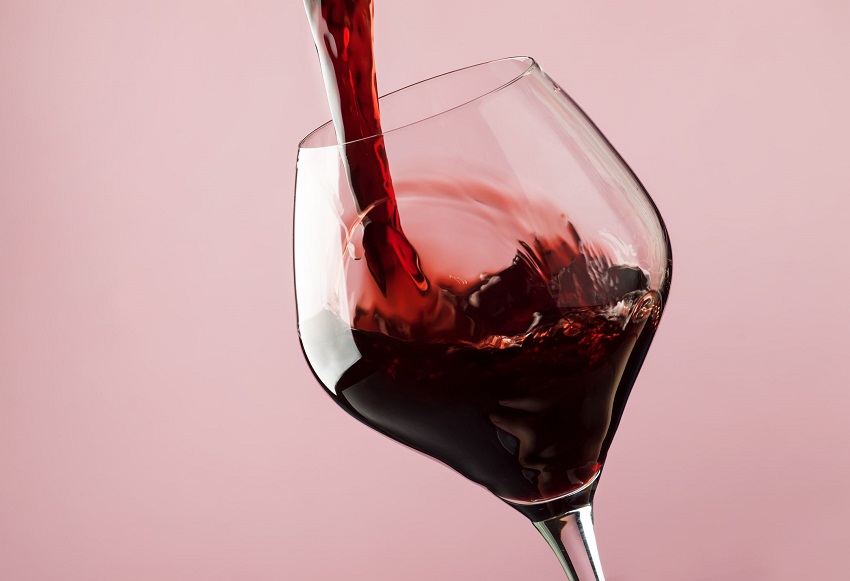
The key to getting the benefits of wine without any health risks is moderation. Instead of drinking 1-2 glasses per day, try only one glass every two days. If you are not a big fan of red wine, white wine would be great for your health too. However, it contains fewer antioxidants than red wine, so you should eat other antioxidant-rich foods in your diet.
Try to find out more about the wine that you like before drinking. For example, some wines can be high in sugar content (sweetness) or contain sulfite preservatives. If so, they are not healthy for you because of these additives. It is also best if you drink organic wine because it does not contain pesticides.
How much wine is bad?
If you are drinking more than one glass of wine per day, it is not good for your health. Too much alcohol causes high blood pressure, which can lead to heart disease and stroke. Also, if you drink too much at one time, the ethanol in the wine will make the level of blood sugar increase quickly. This can cause or worsen diabetes, so try not to binge drink.
As you can see, it is difficult to reach a conclusion about whether the wine is good for your health. The key thing to remember is that the benefits only come if you drink one glass per day without any extra sugars or preservatives.
Healthiest red wine to drink
If you are a big fan of red wine, try drinking Pinot Noir because it has the highest amount of resveratrol which can protect blood vessels. If this type of wine is not to your taste, there are many options that have low sugar content and sulfite preservatives.
The healthiest wines contain organic grapes that have been grown without pesticides. There are also many other healthy elements in wine, such as fluoride, fluoride, and antioxidants. The ethanol makes your blood sugar level rise quickly, but it actually reduces the risk of heart disease and stroke if you drink only one glass a day.
Types of Wine to Avoid
There are some types of wine that you should avoid if you want to drink healthy. For example, port, sherry, and cocktails with wine will just give you empty calories because they contain lots of sugar. If the alcohol content is too high for your taste, then it may also cause bad hangovers or addiction. Some wines are very acidic, so they will erode your teeth.
There are some benefits to drinking wine, but no medicine in the world is good for you if you drink too much. If you have only one glass per day, then it will contribute to your health because of its antioxidants and fluoride, not forgetting the magic ingredient – moderation!
You may also be interested in Types of white wine
Why is society important for a human being?

Since ancient times, humanity has developed in communities, perhaps to survive the dangers that surrounded it. Why is society important for a human being? Because there has always been an imperative need for human beings to relate to others, to give and receive affection. Taking into account the importance of society helps us to understand that, in life, we all need one another.
Why is society important for a human being?
The family is the basic cell of society, from which institutions are based. The human being is, in essence, a social being, a subject situated in a circumstance, in a certain context at a certain socio-historical moment.
We have forgotten the importance of living in a society in times of constant change, faced with work emergencies, burdened by anxiety, dominated by pressure, and urged by an increasingly demanding present.
Living is not the same as existing, working all day, letting time go by, counting the hours until the weekend arrives. Living is not having a high level of material well-being or social status.
Man is a social being by nature
Man is, unlike many animals, a social being. This implies that your survival as an individual is impossible without interaction with other people.
If we were alone, we could not reproduce, or communicate, or learn from others. In short, each person’s life would be impoverished in every way. It could be said that life in society is neither good nor bad but is practically inevitable.
Alternatives to life in society
Throughout history, there have been cases of alternative formulas to life in society. From a religious or philosophical point of view, people have decided to isolate themselves from others. Hermits and monks who live in a community or collectives who do not want to be part of society and create their own communities.
Life in the abbeys of the Middle Ages, the Amish community, or the hippie lifestyle is three concrete examples of organizational structures disconnected from society, either partially or totally. It should be noted that these types of alternatives are an exception in the world as a whole.
The importance of living lies in our ability to appropriate our fundamental and universal rights, such as the right to life, liberty, and equality before the law.
Recognizing these rights by the National Constitution, living in society requires efforts and commitment to all rights.
Living in society has an implicit fundamental obligation
It is respect for others and the right to enjoy the same real opportunities to advance in life levels.
The family is the fundamental nucleus on which society is sustained, the social fabric’s first unit and basic cell. From this primary group, the social subject interacts in other institutional, group, and social settings.
Interaction with the other is part of building one’s own identity, which is constituted in the bond with others.
The social groups
We travel from our childhood, the school, the clubs, the social and private institutions, the university all are part of a context in which we find ourselves in a moment of our life.
This social environment, which began to influence us from the moment we were part of a family, determined our subjectivity, configuring our being.
Living in society is so important that it configures us, determines us, offers us the recognition and the gaze of the other, so necessary to constitute our inner self. That is why the space for recreation and leisure, the use of free time, the practice of sports, education, access to culture, activities all linked to life in society is so important.
You may also like to read, Here comes Summer and time to fire up the grill! What wine do you choose?
Types of white wine
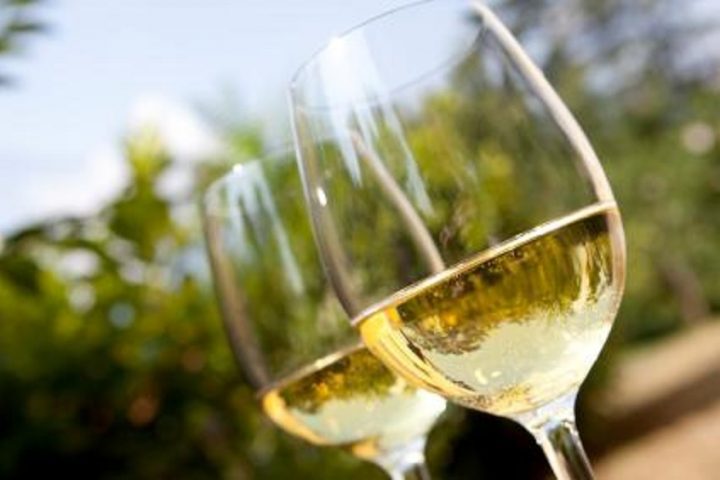
For people who prefer white wine but do not have much knowledge about its classification, the choice can be a difficult task and the result may not be the most satisfactory. White wine can be presented in various shades, from the driest to the sweetest. They are obtained from grapes of the color that their name indicates. However, there may be variations in which red grapes are included. We explain what types of white wine are and how to combine them.
Types of white wine
The most used types of white wine are explained below:
Chardonnay
It is a variety of grapes native to Burgundy, France, but is currently grown in other countries such as the United States, Australia, and New Zealand. It is perhaps the best-known variety and it is not only used for making wine, but it is also part of the basis for creating high-quality champagne. This type of grape is easy to grow and if you prefer fruity wines, this is a good choice. Pair it with spicy fish and white meats, salads with creamy dressings, rich-flavored cheeses, and seafood pasta. Serve at a temperature of 8-10ºC.
It should be noted that the flavor changes depending on the land where it is planted and how it is stored. In colder climates, the grape develops a more acidic flavor and in hot climates, the flavor can become more citric. On the other hand, in very warm areas, its notes will be more tropical.
Sauvignon Blanc
It is considered the finest variety of grapes after Chardonnay. Although it comes from the Bordeaux region of France, it is said that Australia is where you can find the best Sauvignon Blanc. It has a fresh touch, with a lot of aromas and it tends to be dry and acidic. The perfect pairing for this wine is seafood, poultry, goat cheese, spicy food, and appetizers. It should be served between 8 and 10 ºC.
Riesling
It originates in cold climates, although it is also grown in hot climates. Its flavor is mild, aromatic, and low in alcohol, and can be made semi-dry or sweet. You can accompany it with fruit-based desserts, salads, appetizers, Chinese food, white meat, and fish. To take better advantage of its flavor, serve it at a temperature of 10ºC.
Pinot Blanc
It is an elegant wine and the more mature, the better. It can be confused with Chardonnay and is grown in France, Germany, Italy, and Hungary. It is usually a dry and full-bodied wine, although, in the regions of Germany, it can be a little sweeter. You can combine it with egg-based dishes such as quiches or omelets, with soft and fresh cheeses. It is also a good wine to serve starters.
Chenin Blanc
It is used as a base to make sparkling wines and champagne. The versatility of this grape allows obtaining dry, semi-dry, and sweet wines. It also needs a lot of suns to mature if it cannot become very acidic. It is a wine that should be drunk young and is the ideal pairing for spicy dishes, seafood, paellas, orange chicken, and pasta with creamy sauces. Serve between 10 and 12 ºC.
You may also like to read, 10 myths about wine: true or false?
More Content

Popular Content


