
31 May Why Dallas, TX Nutrition Experts Are Warning About Processed Meal Dependency
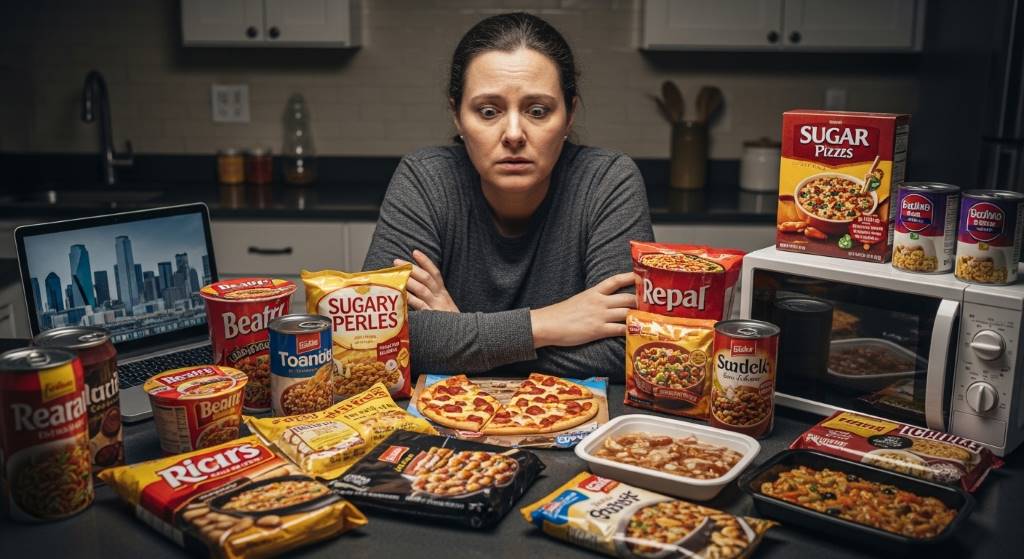
Nutrition professionals across Dallas are raising concerns about a growing reliance on processed meals. Recent studies show that ultra-processed foods can account for more than half of daily calorie intake for many adults. At the same time, health experts continue to examine the connection between diet quality and long-term wellness. Discussions around fast food addiction and mental health have also increased as researchers explore how eating habits influence emotional well-being. As a result, Dallas nutrition experts are encouraging residents to take a closer look at what fills their plates each day.
While convenience remains important, many specialists believe that processed meal dependency creates hidden nutritional challenges. Busy schedules often push people toward ready-made options that seem practical. However, frequent reliance on these products can gradually replace fresh and nutrient-rich foods. Therefore, understanding the risks and solutions has become more important than ever.
Understanding Processed Meal Dependency
Processed meal dependency occurs when individuals rely heavily on packaged, frozen, or ready-to-eat foods for most daily meals. These products often save time and require little preparation. Nevertheless, many contain high amounts of sodium, preservatives, and refined ingredients. Over time, this pattern can reduce dietary variety and nutritional quality.
Many people do not realize how quickly dependency develops. A frozen breakfast, packaged lunch, and microwavable dinner can become routine within weeks. Consequently, fresh fruits, vegetables, and whole grains appear less often in the diet. This gradual shift may affect overall health without obvious warning signs.

Why Dallas Nutrition Experts Are Concerned
Rising Rates of Chronic Health Issues
Dallas has experienced growing concerns related to obesity, diabetes, and heart disease. Nutrition experts frequently connect these conditions with poor dietary habits. Although processed meals offer convenience, they often contribute excess calories and unhealthy fats. Therefore, regular consumption may increase long-term health risks.
Many packaged foods prioritize shelf life rather than nutritional value. Manufacturers often add ingredients that improve taste and texture. However, these additions can increase sugar and sodium levels significantly. As a result, consumers may unknowingly exceed recommended daily limits.
Nutrient Deficiencies Are Becoming More Common
Processed meals often lack essential vitamins and minerals needed for optimal health. Iron, magnesium, potassium, and fiber frequently appear in lower amounts. Nutrition experts encourage residents to include more naturally nutrient-dense foods in their diets. For example, understanding foods naturally high in iron can help individuals make smarter choices and support better energy levels.
Deficiencies do not always cause immediate symptoms. Instead, they may develop gradually over months or years. Consequently, people may experience fatigue, weakened immunity, or reduced concentration. Addressing these gaps early can improve overall wellness.
The Dallas Climate Factor That Many Blogs Ignore
One unique concern involves the relationship between Dallas weather patterns and processed food consumption. Summers in Dallas regularly bring intense heat and high temperatures. During these months, many residents seek quick meals to avoid cooking indoors. As a result, processed meal purchases often increase.
Nutrition experts note that extreme heat can also affect hydration needs. Unfortunately, many processed foods contain large amounts of sodium. Therefore, individuals may experience additional fluid retention or dehydration challenges during hotter periods. This climate-related factor receives far less attention than it deserves.
Another overlooked issue involves seasonal produce consumption. Fresh fruits and vegetables offer hydration and valuable nutrients during warm weather. However, people who depend heavily on packaged meals may miss these seasonal benefits. Consequently, their diets become less aligned with local environmental needs.
The Hidden Impact on Gut Health
Dallas nutrition professionals increasingly discuss gut health when evaluating dietary patterns. The digestive system depends on fiber-rich foods and diverse nutrients to support beneficial bacteria. Yet many processed meals contain limited fiber. Therefore, frequent consumption may negatively affect gut balance.
A healthy gut influences more than digestion alone. Research suggests connections between gut bacteria, immune function, and mood regulation. Consequently, poor dietary diversity can create wider health concerns. Experts recommend increasing whole foods to support a stronger digestive environment.
How Processed Meals Affect Family Eating Habits
Family routines often shape lifelong nutrition habits. Children who regularly consume heavily processed meals may develop preferences for highly flavored foods. As a result, fresh ingredients can seem less appealing. Nutrition experts believe this pattern deserves greater attention.
Parents frequently choose convenience because of demanding schedules. While understandable, consistent reliance on packaged meals limits opportunities for food education. Furthermore, children learn less about ingredients, preparation methods, and balanced eating. Small changes in family meal planning can create lasting benefits.
The Loss of Food Skills and Cooking Confidence
An uncommon yet important concern involves declining food preparation skills. Dallas nutrition experts report that many adults feel uncomfortable cooking simple meals from scratch. Consequently, they depend more heavily on processed products. This cycle can become difficult to break.
Basic cooking knowledge supports healthier decision-making. Even simple dishes help individuals control ingredients and portion sizes. For example, understanding topics like cornmeal boiling time can encourage people to prepare wholesome foods at home rather than relying on packaged alternatives. Small culinary skills often lead to healthier eating patterns.
The Marketing Challenge
Food companies invest heavily in convenience-focused marketing. Packaging often highlights speed, flavor, or specific nutrient claims. However, consumers may overlook the overall ingredient profile. Therefore, nutrition experts encourage reading complete nutrition labels.
Terms such as “natural” or “made with whole grains” can create positive impressions. Nevertheless, these statements do not always indicate a balanced product. Looking beyond front-label claims helps consumers make more informed decisions. Awareness remains one of the strongest tools for healthier eating.
Practical Ways to Reduce Processed Meal Dependency
Breaking dependence on processed meals does not require dramatic lifestyle changes. Instead, experts recommend gradual adjustments that fit daily routines. Consistency matters more than perfection. Small improvements often produce meaningful long-term results.
- Prepare one homemade meal each day.
- Keep fresh fruit available for snacks.
- Choose whole grains over refined alternatives.
- Read nutrition labels before purchasing products.
- Plan meals for the upcoming week.
Meal preparation can also save time during busy workweeks. Spending an hour on weekend food planning often reduces weekday stress. Consequently, healthier options become easier to access. This approach supports both convenience and nutrition.
Learning From Changing Food Preferences
Consumer demand continues to evolve across the country. Many people now seek meals that combine flavor, quality ingredients, and cultural inspiration. Trends highlighted in discussions about food lovers demand for Japanese-inspired meals show how consumers increasingly value fresh and thoughtfully prepared foods. Dallas nutrition experts see similar opportunities for healthier eating habits.
Rather than eliminating convenience entirely, experts recommend choosing minimally processed options whenever possible. Fresh meal kits, local produce, and simple homemade recipes can offer practical alternatives. Furthermore, these choices provide greater control over ingredients. Balance remains the primary goal.
Signs You May Be Too Dependent on Processed Meals
Recognizing dependency early can help prevent future health concerns. Many individuals underestimate how often they choose packaged foods. Therefore, evaluating eating habits honestly is an important first step. Several warning signs may indicate a growing reliance.
- Most meals come from boxes, bags, or frozen packages.
- Fresh produce rarely appears in daily meals.
- Cooking feels overwhelming or unfamiliar.
- Energy levels fluctuate throughout the day.
- Nutrition labels receive little attention during shopping.
If several of these signs sound familiar, gradual improvements can make a difference. Replacing even one processed meal each day can help. Over time, healthier habits become easier to maintain. Consistent progress often produces the best results.
Conclusion
Dallas nutrition experts are not calling for the complete elimination of processed foods. Instead, they warn against allowing convenience products to dominate daily eating patterns. Excessive dependence can contribute to nutrient deficiencies, gut health concerns, and long-term chronic disease risks. Additionally, Dallas’s hot climate creates unique challenges that make balanced nutrition even more important.
The good news is that positive changes do not require complicated diets or expensive programs. By adding more fresh ingredients, improving basic cooking skills, and making thoughtful food choices, residents can reduce processed meal dependency effectively. Start with one small change today and build healthier habits that support long-term wellness for yourself and your family.
FAQs
Why are nutrition experts concerned about processed meals?
They often contain excess sodium, sugar, and additives while providing fewer essential nutrients.
Can processed meals be part of a healthy diet?
Yes, moderate consumption can fit into a balanced diet when combined with fresh whole foods.
How does Dallas weather influence food choices?
Hot temperatures often encourage people to choose convenient ready-made meals instead of cooking.
What is the easiest way to reduce processed food intake?
Start by replacing one processed meal each day with a homemade alternative.
Do processed meals affect gut health?
Yes, many processed foods contain less fiber, which may negatively impact gut bacteria balance.
Sorry, the comment form is closed at this time.