
29 May Why Automatic Bread Makers Fail to Hold Shape in Miami, FL Weather
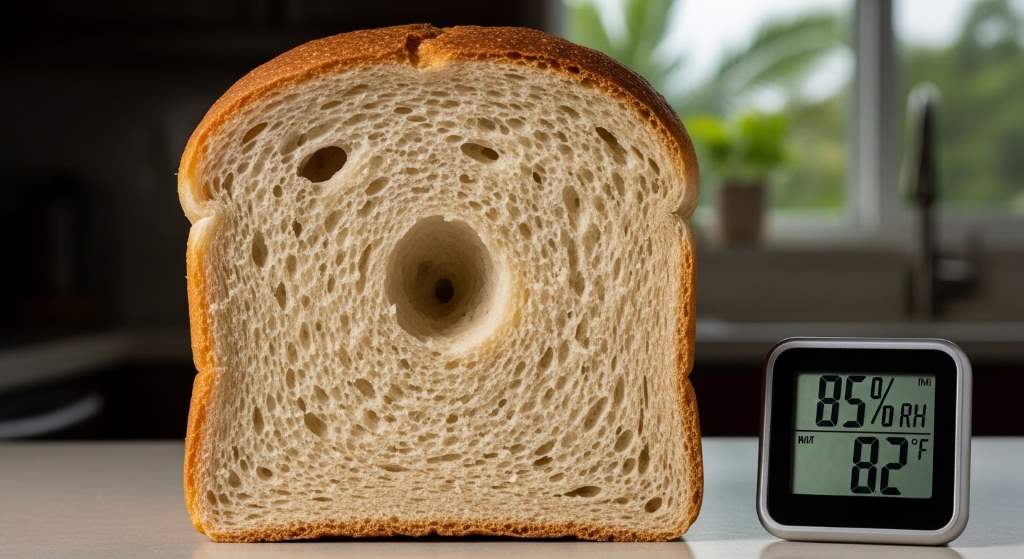
Many home bakers enjoy the convenience of automatic bread makers. However, Miami’s warm and humid climate often creates challenges that many owners do not expect. According to climate data, Miami frequently experiences humidity levels above 70%, while average temperatures remain high for much of the year. These conditions can affect dough development and final loaf structure. As a result, many people notice that a bread maker loaf caves in middle even when they follow the recipe exactly. Understanding the local weather impact helps bakers achieve more consistent and attractive results.
How Miami’s Climate Affects Bread Making
Automatic bread makers rely on predictable conditions to produce a stable loaf. Unfortunately, Miami’s weather rarely stays within ideal baking ranges. High humidity changes how flour absorbs moisture during mixing. Consequently, dough often becomes wetter than intended before the baking cycle begins.
Most bread machine recipes assume average indoor humidity levels. In Miami, moisture in the air adds extra hydration to the dough. Therefore, the machine may struggle to create the proper dough consistency. Even high-quality bread makers can produce misshapen loaves under these conditions.
Temperature also plays a major role in bread development. Warm indoor environments speed up yeast activity. As a result, dough can rise too quickly before the machine reaches the baking phase. Excessive expansion often weakens the loaf structure and causes collapse.
The Hidden Moisture Problem Inside Flour
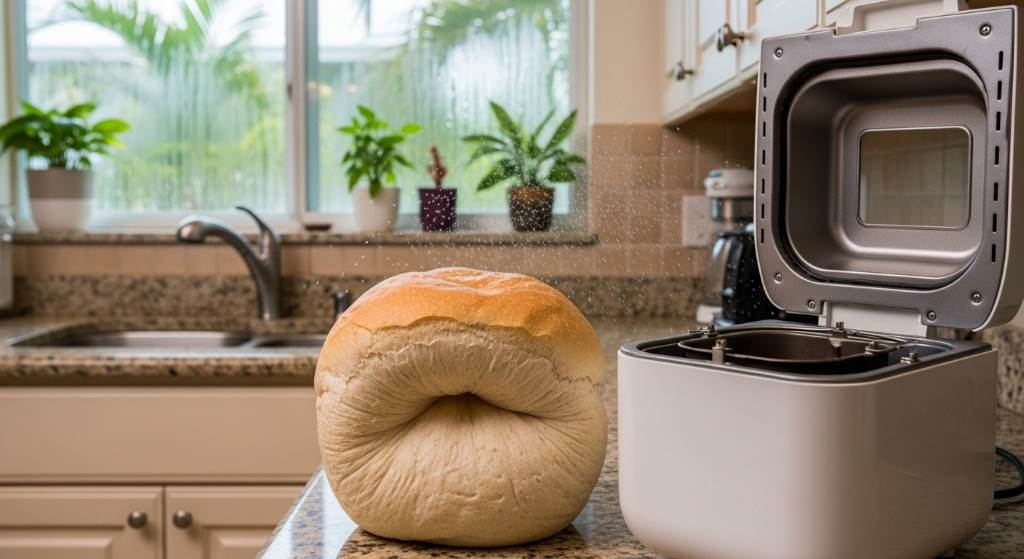
Many bakers focus on water measurements but overlook flour moisture content. Flour naturally absorbs water from the surrounding air. In Miami, storage conditions often allow flour to collect significant moisture over time. Consequently, recipes may contain more liquid than expected before mixing even starts.
This issue becomes especially noticeable when preparing dough on humid days. Similar to adjustments needed for prepare mushroom coffee without bitterness, precision matters when environmental factors influence the final result. Small ingredient changes can create major differences in quality. Therefore, monitoring flour storage becomes essential for bread machine success.
Keeping flour in airtight containers reduces moisture absorption. Additionally, storing flour in a cool indoor location helps maintain consistency. Bakers who measure ingredients by weight often achieve better results than those using volume measurements. This simple change improves accuracy significantly.
Overproofing Happens Faster Than Most People Realize
Overproofing occurs when dough rises beyond its optimal limit. In Miami’s warm environment, yeast works faster than many recipe developers anticipate. Consequently, dough can expand excessively during the machine’s proofing cycle. The weakened gluten structure then struggles to support the loaf.
Once baking begins, trapped gases continue expanding. However, the overstretched dough cannot maintain its shape. As a result, the top may sink inward or collapse completely. Many people mistakenly blame the bread machine instead of environmental conditions.
Reducing yeast by a small amount often solves this problem. Furthermore, using cooler water can slow fermentation. Bakers who experiment with minor adjustments frequently see dramatic improvements. Careful observation helps identify the ideal balance.
Why Gluten Development Suffers in Humid Conditions
Gluten creates the framework that supports bread during rising and baking. Excess moisture can interfere with proper gluten formation. Therefore, dough may become soft and unstable throughout the machine cycle. Weak gluten often leads to flat or uneven loaves.
Recipes designed for dry climates sometimes fail in Miami kitchens. Much like techniques used for fluffy pancakes without baking powder, ingredient balance plays a critical role in texture and structure. Even slight changes in hydration can alter the final outcome. Bakers should adjust recipes according to local conditions.
Adding one or two tablespoons of flour during mixing may help. However, avoid adding too much at once. Gradual adjustments allow the dough to maintain flexibility while improving strength. Consistency matters more than speed when correcting hydration issues.
The Unique Effect of Salt-Air Exposure
One rarely discussed factor in Miami bread making involves salt-laden coastal air. Homes near the shoreline experience greater exposure to airborne salt particles. Over time, these particles can affect ingredient storage conditions. This subtle influence often escapes attention.
Salt naturally attracts moisture from the environment. Consequently, stored ingredients may absorb additional humidity. Flour, sugar, and even yeast can experience changes in performance. Although the effects appear minor, they can accumulate over weeks or months.
Using tightly sealed storage containers minimizes these risks. Additionally, rotating ingredients regularly helps maintain freshness. This uncommon factor explains why some coastal households experience more baking issues than inland locations. Few baking guides address this reality despite its importance.
Common Signs Your Dough Is Too Wet
Recognizing hydration problems early prevents disappointing results. Many bread makers allow users to inspect dough during the first mixing stage. This brief check can reveal issues before they become severe. Early intervention often saves the entire loaf.
- Dough sticks heavily to the sides of the pan.
- The mixture appears glossy and overly loose.
- The dough fails to form a smooth ball.
- Large amounts of residue remain on the pan walls.
- The loaf develops a sunken top after baking.
When these signs appear, add flour gradually. Small corrections work better than drastic changes. Moreover, recording adjustments helps create reliable future results. Consistency improves with experience.
Machine Settings That Work Better in Miami
Many bread makers include multiple loaf programs. Some settings perform better than others in humid climates. Therefore, experimenting with cycles can improve shape retention. Users should not assume every program behaves the same way.
Shorter proofing cycles often reduce overexpansion. Likewise, basic bread settings sometimes outperform rapid-rise programs. Slower fermentation creates stronger gluten development. As a result, loaves hold their shape more effectively.
If available, use custom cycle settings. These options provide greater control over proofing duration and baking time. Fine-tuning the process allows bakers to compensate for local weather conditions. Greater flexibility usually leads to better outcomes.
Practical Tips for Better Loaf Structure
Successful bread making in Miami requires small but meaningful adjustments. Fortunately, most solutions are simple and inexpensive. Consistent habits often matter more than expensive equipment. Bakers who adapt to the climate achieve better results.
- Measure ingredients by weight instead of volume.
- Store flour in airtight containers.
- Use slightly less water during humid days.
- Reduce yeast when temperatures rise significantly.
- Monitor dough during the first mixing cycle.
- Keep ingredients fresh and properly sealed.
- Avoid placing the machine near direct sunlight.
These practices improve loaf stability throughout the year. Additionally, they reduce trial-and-error frustration. Most importantly, they help create consistent results despite changing weather patterns. Small improvements can make a major difference.
Conclusion
Automatic bread makers often fail to hold shape in Miami, FL weather because humidity, heat, ingredient moisture, and rapid fermentation affect dough structure. Fortunately, understanding these factors allows bakers to make effective adjustments. Even simple changes in storage, hydration, and yeast levels can dramatically improve results. Just as people learn to make prebiotic soda at home by adapting techniques for better outcomes, bread makers perform best when recipes match local conditions. Start applying these practical tips today and enjoy taller, stronger, and more reliable homemade loaves.
FAQs
Why does my bread machine loaf collapse in Miami?
High humidity and warm temperatures often cause overproofing and weak dough structure.
Should I use less water in bread machine recipes in Miami?
Yes, reducing water slightly often helps compensate for moisture already present in the air and flour.
Can humidity affect yeast performance?
Yes, warm and humid conditions can accelerate yeast activity and increase the risk of overproofing.
Is weighing ingredients better than using measuring cups?
Yes, weighing ingredients provides greater accuracy and consistency in humid environments.
How should I store flour in Miami?
Store flour in airtight containers in a cool indoor space to limit moisture absorption.
Sorry, the comment form is closed at this time.