
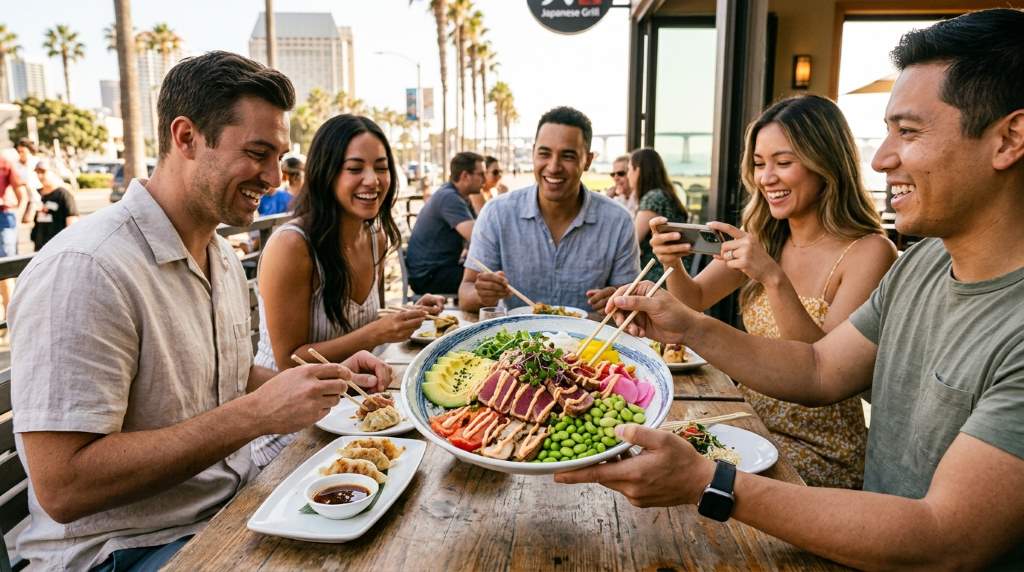
07 May How San Diego, CA Food Lovers Are Driving Demand for Japanese-Inspired Meals
San Diego’s food scene continues to evolve as diners search for healthier, fresher, and more globally inspired meals. According to the National Restaurant Association, consumers increasingly prefer international flavors, while Japanese cuisine ranks among the fastest-growing dining categories in the United States. In addition, Southern California residents often choose seafood-rich and wellness-focused foods that match the region’s active lifestyle and warm coastal climate. As a result, local restaurants now blend traditional Japanese cooking with California ingredients and dining habits. The growing impact of japanese cuisine on world food has become especially visible in San Diego, where food lovers actively shape restaurant trends and menu innovation.
Why Japanese-Inspired Meals Thrive in San Diego
San Diego offers the perfect environment for Japanese-inspired dining because the city values fresh seafood, healthy eating, and outdoor living. Residents regularly seek meals that feel light yet satisfying, especially during warm weather that lasts through much of the year. Therefore, dishes like poke bowls, sushi burritos, ramen, and grilled yakitori naturally appeal to local consumers. Many restaurants also use locally sourced produce and Pacific seafood to create modern Japanese fusion menus. As consumer awareness grows, diners increasingly appreciate the balance of flavor, nutrition, and presentation found in Japanese cooking.
The city’s coastal culture strongly supports seafood-focused cuisine, which gives Japanese-inspired meals another advantage in the local market. Restaurants can easily access fresh tuna, yellowtail, seaweed, and shellfish from nearby suppliers and fisheries. Consequently, chefs experiment with seasonal ingredients while maintaining authentic Japanese flavor profiles. Tourists visiting San Diego also contribute to demand because they often search for trendy and Instagram-worthy dining experiences. This combination of local enthusiasm and visitor interest helps Japanese-inspired restaurants expand across neighborhoods throughout the city.
The Influence of Health-Conscious Dining Trends
Health-focused eating habits have transformed the restaurant industry across California, and San Diego reflects this movement clearly. Consumers now pay closer attention to portion size, ingredient quality, and nutritional value when selecting meals. Japanese-inspired dishes often include lean proteins, fermented ingredients, vegetables, and rice, which fit modern wellness goals very well. In addition, many menu items avoid heavy cream sauces or deep-fried preparation methods that health-conscious diners try to limit. Restaurants that offer balanced Japanese-inspired meals often attract customers looking for flavorful alternatives to traditional fast food.
Many San Diego residents also maintain active lifestyles that include surfing, hiking, cycling, and gym training throughout the year. Because of this, diners frequently choose meals that provide energy without feeling overly heavy or processed. Sushi bowls, miso soups, teriyaki chicken, and seaweed salads support these preferences while still delivering bold flavors. Furthermore, Japanese cuisine often includes naturally gluten-free and high-protein options that appeal to specialized diets. The connection between healthy living and Japanese-inspired meals continues to strengthen demand across the region.

Popular Healthy Japanese-Inspired Dishes
Several menu items consistently attract San Diego diners because they combine convenience with nutrition and flavor. Restaurants often highlight customizable options that allow customers to personalize ingredients and portion sizes. Additionally, quick-service concepts make these meals accessible for busy professionals and students throughout the city. The following dishes remain especially popular among local food lovers:
- Poke bowls with fresh tuna and vegetables
- Sushi burritos with spicy sauces and avocado
- Miso ramen with lean proteins
- Teriyaki salmon plates with brown rice
- Matcha desserts and beverages
- Yakitori grilled chicken skewers
These dishes fit both casual dining and upscale restaurant environments, which broadens their appeal across different customer groups.
Social Media and Food Culture Are Fueling Growth
Social media platforms have dramatically increased the visibility of Japanese-inspired meals in San Diego. Diners frequently post colorful sushi platters, artistic ramen bowls, and vibrant matcha desserts on Instagram and TikTok. As a result, restaurants benefit from free digital marketing that encourages more people to try trending menu items. Eye-catching presentation plays a major role because Japanese cuisine naturally emphasizes aesthetics and visual balance. Restaurants that create visually appealing dishes often gain stronger online engagement and customer loyalty.
Food influencers and local bloggers also contribute to growing demand by reviewing restaurants and sharing dining recommendations. Many consumers now discover new restaurants through short videos and customer-generated content rather than traditional advertising. Consequently, Japanese-inspired restaurants invest more effort into plating, interior design, and branded experiences. Outdoor dining patios, neon signage, and open sushi bars attract customers who want memorable dining moments. The combination of food quality and social media appeal continues to shape restaurant success throughout San Diego.
Why Younger Diners Love Japanese Fusion
Younger consumers strongly influence restaurant trends because they actively seek creative and globally inspired meals. Japanese fusion cuisine allows chefs to combine familiar American ingredients with authentic Japanese cooking techniques. Therefore, younger diners often feel more comfortable trying these dishes compared to unfamiliar traditional foods. Popular combinations include sushi tacos, ramen burgers, and tempura-loaded fries with spicy sauces. These creative menu concepts help restaurants attract adventurous eaters who enjoy experimenting with new flavors.
Many younger diners also prioritize sustainability and ingredient transparency when choosing where to eat. Japanese-inspired restaurants often emphasize fresh seafood, seasonal vegetables, and minimal food waste practices. In addition, smaller portions and balanced ingredients align with mindful eating habits popular among younger generations. Restaurants that communicate sourcing practices and sustainability efforts often build stronger customer trust. This generational shift continues driving long-term demand for Japanese-inspired meals in San Diego.
Local Climate Supports Fresh and Seasonal Menus
San Diego’s mild coastal climate allows restaurants to serve fresh ingredients year-round, which benefits Japanese-inspired cuisine significantly. Chefs can regularly source avocados, cucumbers, citrus fruits, herbs, and leafy greens from nearby farms. Consequently, restaurants maintain seasonal menus without relying heavily on imported produce. Fresh ingredients improve flavor quality while supporting local agriculture and sustainability goals. Japanese-inspired dishes naturally adapt well to seasonal menu rotations because they emphasize ingredient freshness and simplicity.
Warm weather also encourages demand for lighter meals during lunch and dinner hours. Cold noodle dishes, poke bowls, sushi rolls, and chilled appetizers become especially popular during hotter months. In contrast, ramen and grilled dishes perform well during cooler evenings near the coast. Restaurants that adjust menus according to seasonal preferences often maintain steady customer traffic throughout the year. This flexibility helps Japanese-inspired dining concepts remain profitable in different neighborhoods across San Diego.
Seasonal Ingredients Commonly Used in San Diego
Restaurants frequently incorporate local ingredients into Japanese-inspired menus to enhance freshness and regional identity. Seasonal produce adds flavor variety while reducing transportation costs and environmental impact. Furthermore, local sourcing strengthens connections between restaurants and community farmers. Common ingredients often include:
- California avocados
- Fresh Pacific tuna
- Citrus fruits like yuzu-inspired lemon blends
- Seaweed and microgreens
- Organic cucumbers and radishes
- Local mushrooms and herbs
These ingredients help chefs create unique dishes that blend Japanese traditions with Southern California flavors.
Restaurant Innovation Is Expanding Consumer Interest
Restaurant owners in San Diego constantly experiment with Japanese-inspired concepts to stand out in a competitive dining market. Some businesses focus on upscale omakase experiences, while others offer fast-casual sushi bowls and fusion street food. Therefore, consumers can explore Japanese-inspired meals at different price points and dining styles. This diversity attracts both experienced food enthusiasts and first-time customers. Restaurants that adapt to changing customer expectations often build stronger long-term success.
Technology also supports restaurant growth by improving convenience and accessibility for diners. Many Japanese-inspired restaurants now offer online ordering, delivery apps, and digital loyalty programs. As a result, busy consumers can enjoy restaurant-quality meals at home or during work breaks. Ghost kitchens and delivery-focused brands have also expanded rapidly in urban neighborhoods throughout San Diego. These modern business models make Japanese-inspired meals more accessible than ever before.
Fusion Concepts Gaining Popularity
Fusion dining continues gaining momentum because it combines familiar comfort foods with Japanese flavors and techniques. Customers often appreciate the balance between innovation and familiarity when trying new menu items. Additionally, fusion concepts create opportunities for chefs to showcase creativity and cultural collaboration. Popular examples include:
- Korean-Japanese barbecue combinations
- Mexican-inspired sushi rolls
- Matcha-infused desserts and pastries
- Japanese fried chicken sandwiches
- Ramen with California-inspired toppings
These creative approaches keep menus exciting while attracting a broader customer base across different age groups.
Economic and Cultural Factors Behind the Trend
San Diego’s diverse population contributes significantly to growing interest in international cuisine, including Japanese-inspired meals. Residents regularly explore multicultural dining experiences because the city embraces culinary diversity and innovation. Therefore, Japanese-inspired restaurants benefit from an open-minded customer base willing to try new flavors and formats. Tourism also supports restaurant growth because visitors often seek unique dining experiences while exploring Southern California. This combination of local and tourist demand strengthens the market for Japanese-inspired dining concepts.
Economic growth in the hospitality and food service sectors further encourages restaurant expansion across the region. Investors and entrepreneurs recognize the strong consumer demand for modern Asian-inspired dining experiences. Consequently, more restaurants open each year with specialized menus and premium ingredients. Food halls and mixed-use developments also provide opportunities for smaller Japanese-inspired brands to enter the market. These economic conditions create a favorable environment for continued industry growth.
Related:
Cold Ferment Tips from Vito Iacopelli Pizza Recipe
The Ultimate Guide to Double Chocolate Muffins: Recipes, Tips, and More
How Restaurants Can Meet Rising Demand
Restaurants that want to succeed in San Diego’s Japanese-inspired food market should focus on freshness, creativity, and customer experience. High-quality seafood and locally sourced produce remain essential for maintaining flavor and authenticity. In addition, businesses should design menus that balance traditional Japanese dishes with approachable fusion options. Restaurants that provide vegetarian, vegan, and gluten-free choices can attract wider customer groups. Flexible menu design allows businesses to adapt quickly to changing food trends and seasonal preferences.
Customer engagement also plays a critical role in long-term restaurant success. Businesses should actively maintain social media profiles and encourage customers to share dining experiences online. Furthermore, loyalty programs and limited-time seasonal dishes can increase repeat visits and customer excitement. Restaurants that prioritize presentation and atmosphere often create stronger emotional connections with diners. Consistent quality and innovation help brands remain competitive in San Diego’s fast-changing food landscape.
Conclusion
San Diego food lovers continue shaping restaurant trends by embracing healthier, fresher, and globally inspired dining experiences. Japanese-inspired meals fit perfectly within the city’s coastal lifestyle, wellness culture, and demand for creative cuisine. As restaurants combine authentic Japanese techniques with California ingredients, consumers gain access to exciting and flavorful menu options throughout the region. Social media, tourism, and evolving consumer preferences will likely continue driving demand in the coming years. If you own a restaurant or simply enjoy exploring new food experiences, now is the perfect time to discover how Japanese-inspired dining is transforming San Diego’s culinary scene.
FAQs
Why are Japanese-inspired meals popular in San Diego?
Japanese-inspired meals match San Diego’s health-conscious, seafood-focused, and outdoor lifestyle.
What Japanese fusion dishes are trending in San Diego?
Sushi burritos, poke bowls, ramen burgers, and matcha desserts currently attract strong customer interest.
Does San Diego’s climate influence food trends?
Yes, the warm coastal climate encourages demand for fresh, light, and seasonal meals year-round.
Are Japanese-inspired meals considered healthy?
Many Japanese-inspired dishes include lean proteins, vegetables, and balanced ingredients that support healthy eating habits.
How does social media affect restaurant demand?
Social media increases restaurant visibility by promoting visually appealing dishes and customer dining experiences.
Sorry, the comment form is closed at this time.